How a British whistleblower exposed Howard Lutnick's Epstein links
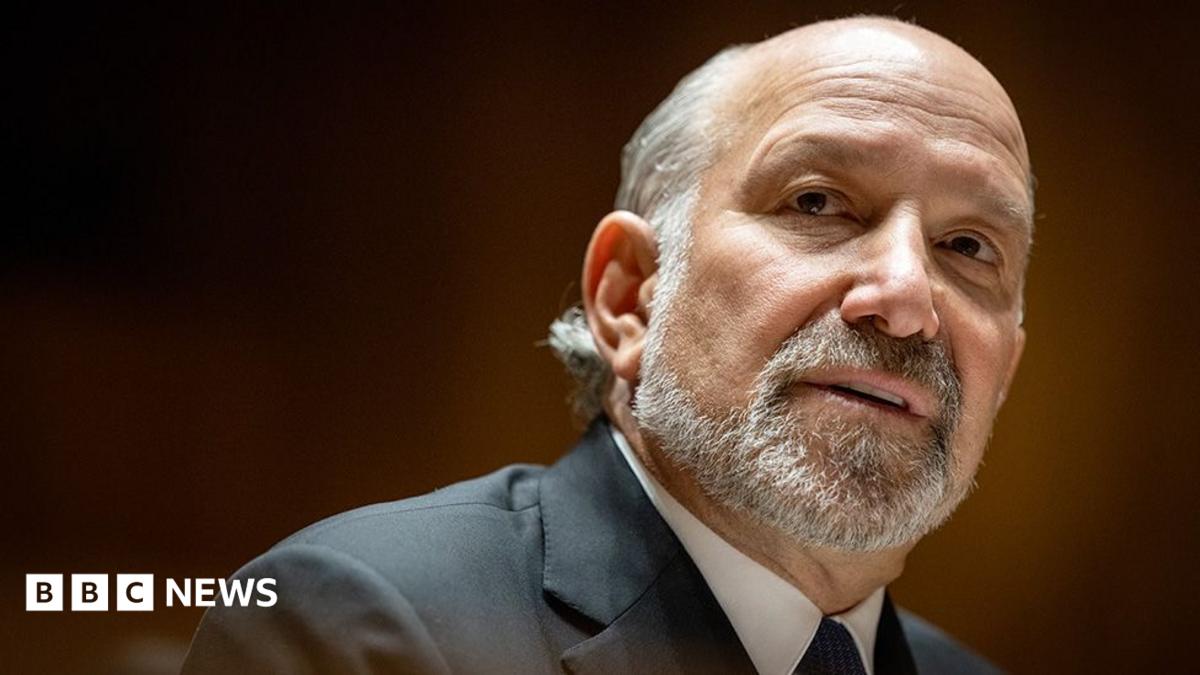
DIRECT ANSWER: British whistleblower Simon Andriesz uncovered emails in the Epstein files showing US Commerce Secretary howard lutnick discussed a 2018 investment with Jeffrey Epstein, contradicting Lutnick's claims he cut ties years earlier. The BBC investigation matters because Lutnick leads America's trade and semiconductor policy as Epstein scrutiny reaches Congress.
A British former Wall Street managing director has told the BBC how he unearthed evidence that Howard Lutnick failed to disclose business ties with convicted sex offender Jeffrey Epstein. The revelations land as Lutnick pushes Samsung, SK Hynix and other firms to expand US AI memory manufacturing.
Key Takeaways
- Simon Andriesz found 2018 emails between Lutnick and Epstein about Adfin, a digital advertising startup both had invested in.
- Lutnick told Congress he only learned this year that Epstein was an investor, but Democrats on the House Oversight Committee accused him of lying.
- Epstein files also show Cantor Fitzgerald discussed a 2013 plan to loan £1m to then-Prince Andrew for exclusive business introductions.
- The Commerce Department says there is no evidence of wrongdoing and calls the allegations a partisan distraction.
- Separately, Lutnick is pressuring foreign chipmakers to build US AI memory fabs to secure the domestic semiconductor supply chain.
Who Is Simon Andriesz and What Did He Find?
Simon Andriesz, 57, is a former managing director at BGC Partners, part of Lutnick's Cantor Fitzgerald group. He now lives in Cornwall and has spent years in dispute with his former employers after raising accounting concerns in 2016.
Andriesz searched 3.5 million pages of government-released Epstein files. While others looked for "Lutnick," he searched "HWL" — Howard William Lutnick — because Cantor executives often used initials in email.
In May 2018 correspondence, Epstein asked the HWL account about prospects for Adfin. Lutnick replied that the firm was "producing revenue finally" and needed to become economically self-sufficient within 12 months. Andriesz shared the emails with the House Oversight Committee before Lutnick's May hearing.
What Did Howard Lutnick Tell Congress About Epstein?
Lutnick was appointed US commerce secretary in 2025, selling his Cantor Fitzgerald shares and passing control to his sons. On a podcast that year, he claimed he met Epstein only once, 20 years earlier as Manhattan neighbours, and found his behaviour "gross."
But Epstein files showed a December 2012 photo of Lutnick on Epstein's Caribbean island, Little St James — four years after Epstein's Florida prostitution conviction. At his May committee appearance, Lutnick condemned Epstein's conduct and said he had not been accused of wrongdoing.
He repeated that he only learned this year Epstein co-invested in Adfin. All 21 Democrats on the committee signed a letter demanding his resignation. The Commerce Department told the BBC the claims are "a desperate partisan distraction" with "no evidence of wrongdoing."
Why Does This Matter for US Tech and Trade Policy?
Beyond Epstein, the files show Cantor Fitzgerald discussed a 2013 plan to loan £1m to a firm controlled by then-Prince Andrew, binding him to introduce wealthy clients exclusively to Cantor. Advisers discussed the deal for four months before it collapsed. Cantor told the BBC it never went into business with Andrew.
As commerce secretary, Lutnick is shaping America's AI hardware future. At a Micron Technology event, he said Samsung and SK Hynix have "no choice but to follow" US-based Micron and build local AI memory fabs, telling executives that strengthening the semiconductor supply chain outweighs corporate rivalries.
For more on how Washington is reshaping the AI chip race, see our Future Tech & AI Wonders coverage. Born in Jericho, New York, Lutnick rebuilt Cantor Fitzgerald after losing 658 employees on 9/11, including his brother, before rising to the 41st US commerce secretary in February 2025.