British Airways Heathrow emergency: passenger recalls fear
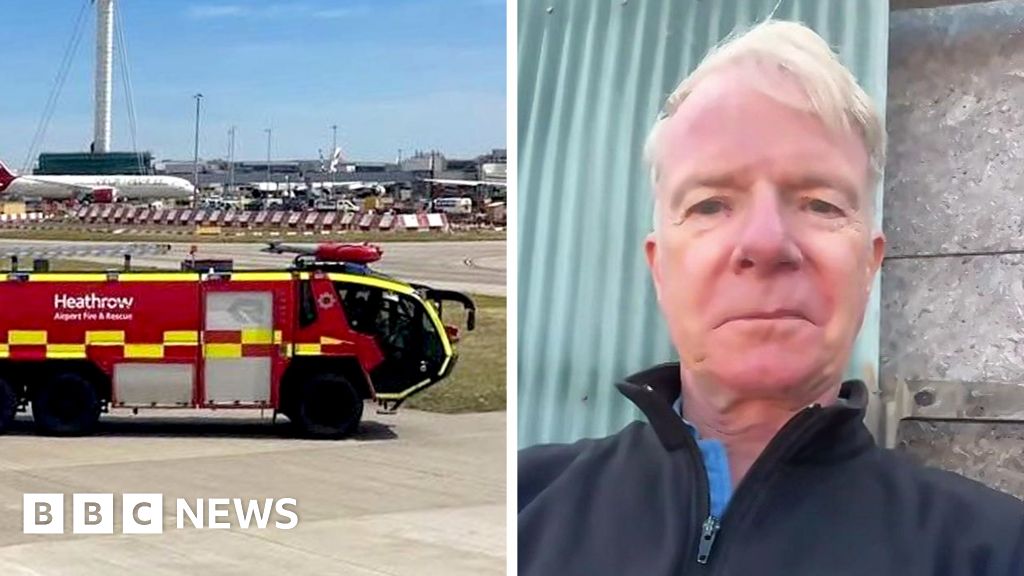
A British Airways Heathrow emergency unfolded on 6 July when an Airbus A320 from Düsseldorf issued a mayday after stall warnings linked to a data system failure. Passenger Edward Killiwick said a violent manoeuvre sparked cabin panic, including a scream of ‘I don’t want to die,’ before the jet landed safely.
Key Takeaways
- A British Airways Airbus A320 from Düsseldorf called mayday on approach to Heathrow on 6 July after two stall warnings.
- France’s BEA linked the first warning to a data system failure; a second stall warning came at about 3,000 feet.
- Passenger Edward Killiwick described a violent manoeuvre, little cabin information, and a woman shouting she did not want to die.
- The UK AAIB is investigating a serious incident; British Airways said it is assisting and cannot comment further.
The episode matters because a commercial jet declared imminent danger over one of Europe’s busiest airports, then landed with emergency crews waiting. For related breaking coverage, see our Fintech & Crypto Alerts hub.
What triggered the British Airways Heathrow emergency?
According to BBC reporting citing France’s BEA, a data system failure as the aircraft approached Heathrow triggered a stall warning.
The crew then flew in “alternate law,” a mode that removes some automated flight protections. A further stall warning followed at 3,000 feet, which experts said was likely just miles from the airport.
An earlier urgency call was upgraded to mayday, signalling imminent danger. The UK’s Air Accidents Investigation Branch (AAIB) said it is investigating a serious incident on 6 July on approach to Heathrow.
The Daily Beast separately reported the flight as BA919 and said the aircraft stalled over London’s financial district, with the captain later placed on “stress leave.” Those details were not confirmed in the BBC’s primary accounts.
What did passengers experience on the mayday flight?
Edward Killiwick was returning from a friend’s birthday in Düsseldorf with his partner Julie. Passengers were told the landing had been aborted, then he felt a “very violent manoeuvre” and thought the plane could crash.
“The violent manoeuvre almost felt like it was avoiding another aircraft. You could feel the engines going at full power,” he told the BBC. The jet then held for about 15 minutes with little information from the crew.
He and Julie comforted a woman who “completely lost it and started screaming, ‘I don’t want to die.’” Killiwick said he was “definitely scared” and believed others shared that fear.
Fire trucks and a police car were on the tarmac when the aircraft landed. A few passengers clapped; most stayed quiet. Julie shed tears on arrival, he said, while the flight deck still gave little communication.
How serious was the incident, and what happens next?
The plane landed without further incident, and British Airways said it is assisting the AAIB but is not legally able to comment further. The AAIB described its probe as a correspondence investigation, meaning no field team would be deployed.
Aviation safety investigator David Gleave told the BBC that urgency messages are not unusual, but a mayday tied to a significant onboard failure is rare. Investigators will examine the system failure, stall warnings, and crew response.
Until those findings emerge, the British Airways Heathrow emergency stands as a sharp reminder that even routine approaches can escalate fast when critical flight data fails.