Brian Grazer says Apollo 13 ethos means no politics in his films
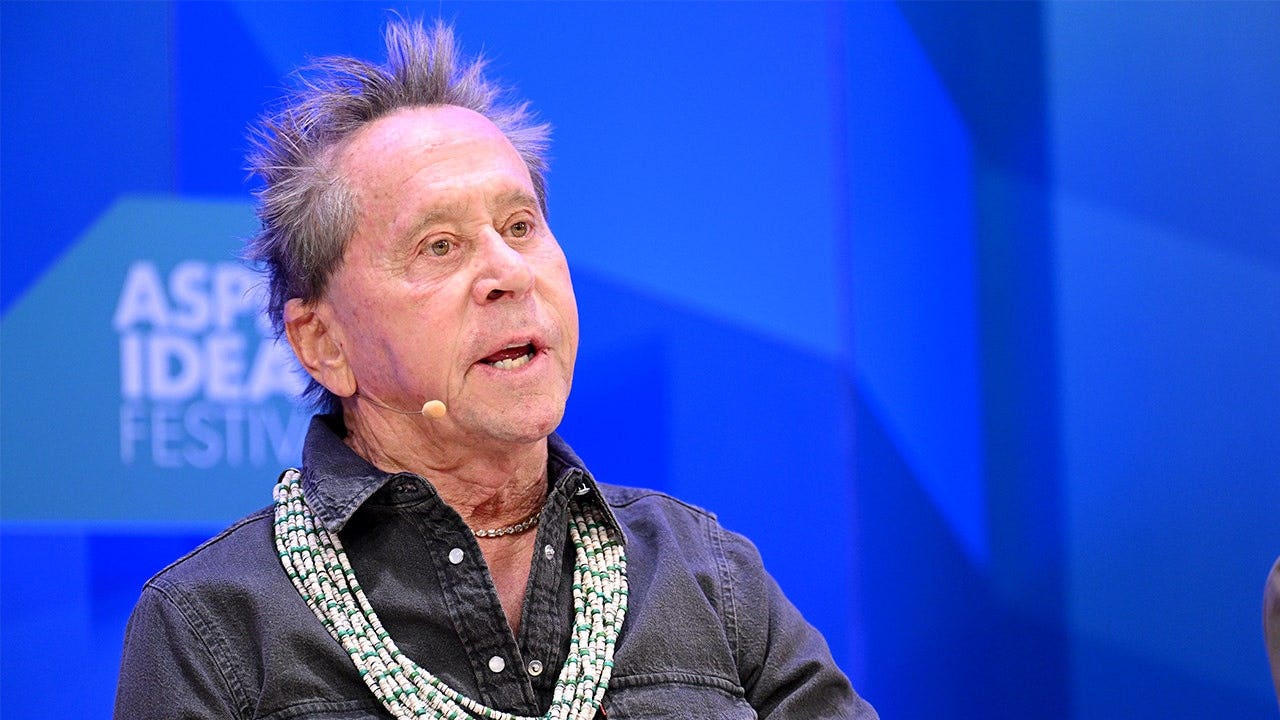
Apollo 13 producer Brian Grazer told an Aspen Ideas Festival panel that he deliberately keeps politics out of his films and TV shows, favoring universal themes that unite audiences rather than divide them. The Oscar-winning Imagine Entertainment co-founder said storytelling should demystify other people, not push partisan messages. Speaking Wednesday in Aspen, Colorado, Grazer joined filmmakers exploring what cinema owes a divided country as America approaches its 250th anniversary.
Key Takeaways
- Grazer said none of his stories are left or right and that he is never political in his movies, including historical projects like Frost/Nixon.
- He joined Yellowstone director Christina Voros and documentarian Joshua Seftel on a panel titled Building Bridges at the Box Office, moderated by Steven Olikara of Bridge Entertainment Labs.
- Grazer argued the American dream should not be partisan as the country approaches its 250th anniversary.
- Voros and Seftel echoed calls for curiosity, empathy, and space for audiences to interpret stories on their own.
Why did Brian Grazer speak out at Aspen?
Grazer appeared at the Aspen Institute's Ideas Festival on July 1, 2026, for a session framed around cinema's role as America turns 250. The discussion asked what powerful storytellers owe a divided public—and what film still offers the country.
Panelists explored whether Hollywood can bridge cultural distance at a moment when partisan filters shape how audiences consume media. Grazer, who has nearly 270 producing credits, brought a long track record that includes Apollo 13, A Beautiful Mind, Arrested Development, and 24.
What did the Apollo 13 producer say about politics in film?
None of my stories are left or right. I'm not political in any of my movies. Frost/Nixon was just an account of an event. But I'm never political, Grazer said, according to Fox News and the Washington Times.
He added that he focuses on universal themes to create unity and demystify other people's problems. When moderator Olikara asked whether Hollywood remained curious amid industry debates over viewpoint diversity, Grazer paused, grinned, and replied, Sure—I mean, some people are, drawing laughs from the audience.
Grazer also linked changing compensation models—dominated by streaming deals—to artists feeling less incentivized to take creative risks. That shift sits alongside broader questions about how technology reshapes entertainment, a thread we often cover in Future Tech & AI Wonders.
How are other filmmakers approaching unity at the box office?
Christina Voros, who described herself as a former Brooklyn liberal before moving to West Texas to work on Yellowstone, said preconceived notions about rural America proved inaccurate once she listened to people there. She warned that cultural filters can quickly become echo chambers regardless of where you live or what you believe.
Voros called storytelling a chance to crack the wall open a little bit and let the light come in. She argued filmmakers should leave space so audiences can fill in the soul of a story themselves rather than being told exactly how to feel.
Documentary filmmaker Joshua Seftel said he simply wants people to understand each other—and that it is not that hard to tell stories that help us do that. Together, the panel offered a counter-narrative to headline-grabbing celebrity politics: craft, curiosity, and shared human moments at the center of the frame.
What did Grazer say about America's 250th anniversary?
Asked how filmmakers should mark the nation's semiquincentennial, Grazer insisted the American dream should not be treated as a political concept. Be grateful to America, be kind to America. I think that's what would be really nice if that lived in the fabric of our culture, he said.
For a producer whose Apollo-era survival epic turned real NASA crisis into a global crowd-pleaser, the message was consistent: stories that transcend camps still have room at the box office—and in the national conversation.