Boy, 11, dies of rabies after waking to bat on his face
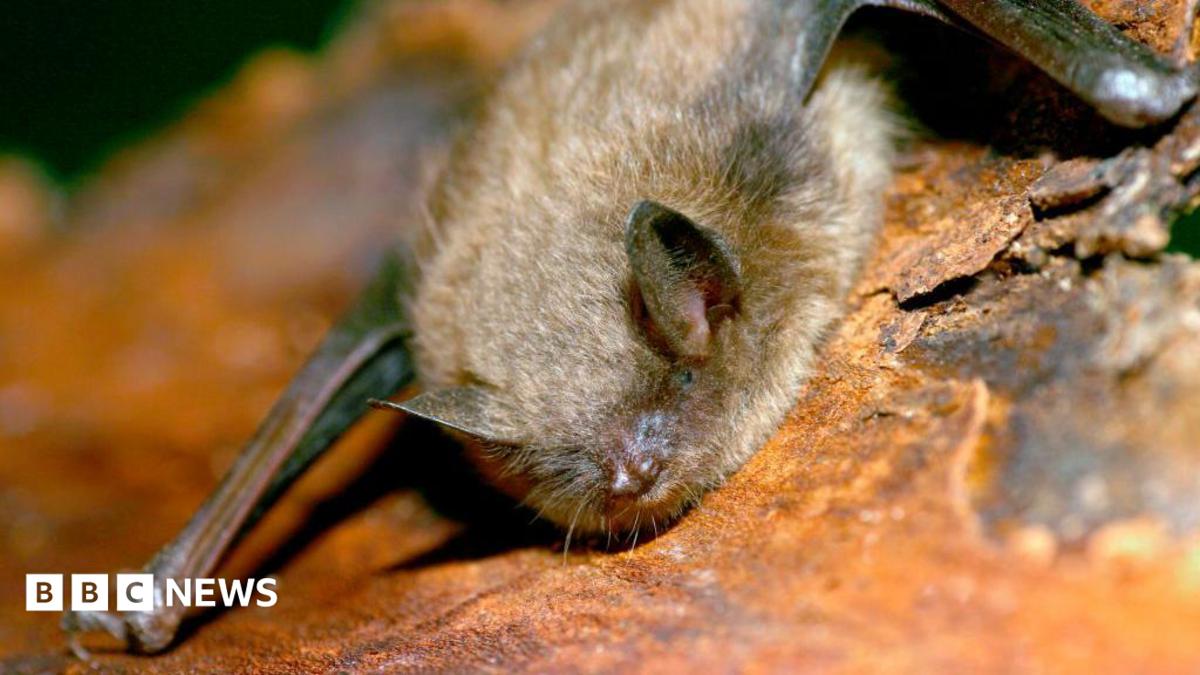
An 11-year-old Canadian boy died of rabies in a rare bat rabies death after waking to a bat on his nose and mouth at an Ontario cottage in 2024. With no visible bites, his family skipped medical care. Symptoms began 19 days later; he died 17 days after admission, the Canadian Medical Association Journal reported.
The case, published Monday in the CMAJ, is Ontario's first locally acquired human rabies infection since 1967. Physicians say it should remind anyone who sleeps near wildlife that even contact without obvious wounds can carry lethal risk — a core lesson in preventive health covered across our Longevity & Biohacking coverage.
Key Takeaways
- An unnamed 11-year-old died after a bat rested on his face at a northern Ontario cottage in summer 2024.
- His parents saw no bite marks and did not seek medical care; rabies symptoms began 19 days later.
- Doctors confirmed a bat rabies virus variant; the boy died 17 days after ICU admission.
- Post-exposure prophylaxis (PEP) can prevent rabies if given before symptoms start.
- Any direct bat contact — including on the face — warrants immediate medical evaluation.
What happened during the Ontario cottage trip?
According to the BBC, the boy was staying with family at a cottage in northern Ontario when he awoke in the night to a bat lying across his nose and mouth. He swatted it away; his father caught the animal in a cooking pot and released it outside.
The family did not call a doctor because the boy had no visible scratches or bites, and the bat did not appear to behave erratically. About 19 days later, he developed numbness, tingling, and swelling on the right side of his face, followed by vomiting and painful swallowing.
Why did doctors say this bat rabies death was preventable?
At an urgent care clinic, staff initially treated him for suspected Bell's palsy linked to herpes simplex virus. When fever, confusion, and visual hallucinations followed, infectious disease specialists at the University of Manitoba strongly suspected rabies after learning of the bat exposure.
Saliva testing confirmed infection with a bat rabies virus variant identified by the Canadian Food Inspection Agency. The boy was intubated and admitted to a pediatric intensive care unit, but his neurological condition kept deteriorating. Life-sustaining therapy was withdrawn on day 17; he died peacefully with family at his bedside.
Rabies is almost always fatal once symptoms appear. Yet physicians stress that early PEP — vaccination and, when indicated, rabies immunoglobulin — is highly effective if started promptly after exposure.
When should you seek care after bat contact?
Canadian guidelines cited in the case report treat a bat resting on a sleeping person's face as an indication for PEP, even without a recognized bite. Bats have tiny teeth; bites may be invisible, and saliva can enter through mucous membranes or minor skin breaks.
Human rabies remains exceedingly rare in Canada — only 28 cases in roughly a century, with fewer than 10 deaths reported annually across the US and Canada combined. Still, experts urge anyone with direct bat contact to see a healthcare provider immediately and, when possible, safely contain the bat for testing.
What does this case mean for travelers and cottage-goers?
Reporting from The Guardian and CNN notes the CMAJ paper landed nearly two years after the 2024 encounter, timed to raise awareness before peak cottage season. Doctors want families to treat any nighttime bat in a bedroom — especially on skin — as a medical emergency, not a harmless nuisance.
For readers focused on longevity and risk reduction, the lesson is blunt: invisible exposure can still be deadly. Acting within hours, not weeks, is what separates survivable encounters from tragedies like this one.