BoE governor would have delayed Farage meeting over £5m gift
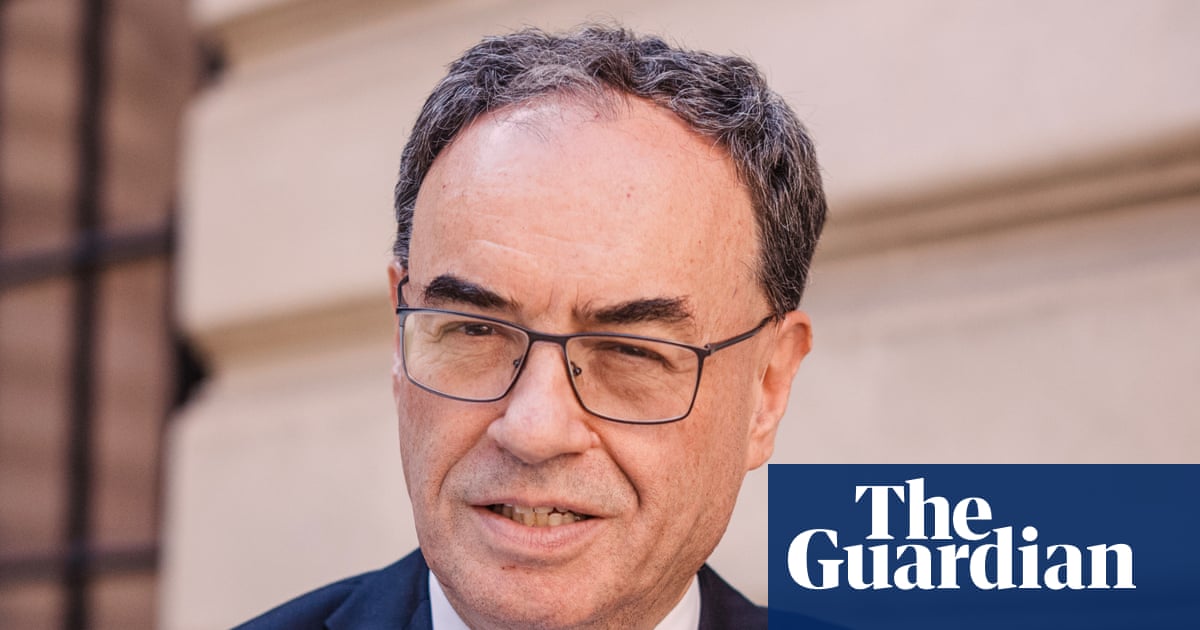
Bank of England governor Andrew Bailey told The Guardian he would have postponed his September 2025 meeting with Nigel Farage had he known the Reform UK leader's undisclosed £5m gift from crypto billionaire Christopher Harborne would face a parliamentary inquiry—though he does not regret discussing cryptocurrency policy and insists Farage's lobbying changed no Bank rules.
Key Takeaways
- Bailey said the undisclosed £5m gift would have been a material fact that could have delayed the Threadneedle Street meeting.
- Farage used the session to push back on stablecoin caps and a state-issued rival to Tether, Harborne's major investment.
- The governor maintains he can spot lobbying and that no policy changes followed Farage's interventions on crypto or CBDC plans.
- Farage has been reported to the parliamentary standards commissioner over alleged crypto lobbying.
- Bailey says the controversy will not change how the Bank schedules meetings with political leaders.
Why would the governor of the Bank of England have delayed the Farage meeting?
In an interview with The Guardian, Bailey said he did not regret meeting Farage last September to discuss cryptocurrency regulation. At the time, the £5m personal gift from Thailand-based investor Christopher Harborne had not been publicly disclosed.
The payment only came to light when the Guardian reported it in April 2026, triggering a parliamentary standards inquiry into whether Farage should have registered the benefit before becoming an MP. Bailey said that, with hindsight, the investigation would have influenced scheduling.
"Whether I would have then said: 'Well, I think we'd better wait until the investigation is done before we have the meeting' – I think that would be a judgment we would have taken at the time," Bailey said. "It would have been a material fact, certainly, in our judgment."
What did Farage lobby the Bank of England about?
According to Bailey and reporting in fintech and crypto alerts, the September 2025 meeting—arranged after an exchange of letters involving Reform deputy leader Richard Tice—covered cryptocurrency regulation, stablecoins and the Bank's digital pound plans.
Farage has said he pressed Bailey to drop plans for a state-issued rival to stablecoins such as Tether, in which Harborne holds a major stake. Harborne, who has provided roughly two-thirds of Reform UK's funding, is estimated to earn as much as £1bn a year from that shareholding.
Farage also urged the Bank to abandon a proposed cap on how many stablecoins individuals could hold. The Bank eventually dropped individual holding limits after consultation, though Bailey has defended the shift as a practical choice to cap total issuance instead.
Did Farage's crypto lobbying change BoE policy?
Bailey has repeatedly denied that Farage influenced Threadneedle Street. In a letter to Labour MP Joe Powell, cited by The Banker and other outlets, he wrote: "I am happy to confirm that no policy changes have taken place as a result of interventions by Mr Farage."
The governor told the Guardian he is "able to spot" lobbying and "appropriately discount it." He described the Farage meeting as a "perfectly polite exchange of views" and said he had not discussed the Bank's latest proposed stablecoin rules with the Reform leader since.
Farage has publicly suggested he shifted Bailey's thinking on crypto limits, but Bailey pushed back on that narrative. KuCoin and other outlets note he also rejected claims that lobbying swayed the Bank's approach to a potential central bank digital currency.
What scrutiny does Farage face now?
Farage has been reported to the parliamentary standards commissioner over whether his Bank of England visit breached lobbying rules, separate from the inquiry into the undeclared £5m gift. Bailey said the furore would not alter how the central bank books meetings with Westminster party leaders, citing a duty to remain accessible while preserving confidentiality on market-sensitive discussions.
For crypto markets and UK regulation watchers, the episode underscores how political contacts, billionaire donors and stablecoin policy can collide—even when the governor of the Bank of England insists the institution's independence held firm.