Bitcoin dips to $78.4K as Warsh downplays softer inflation data
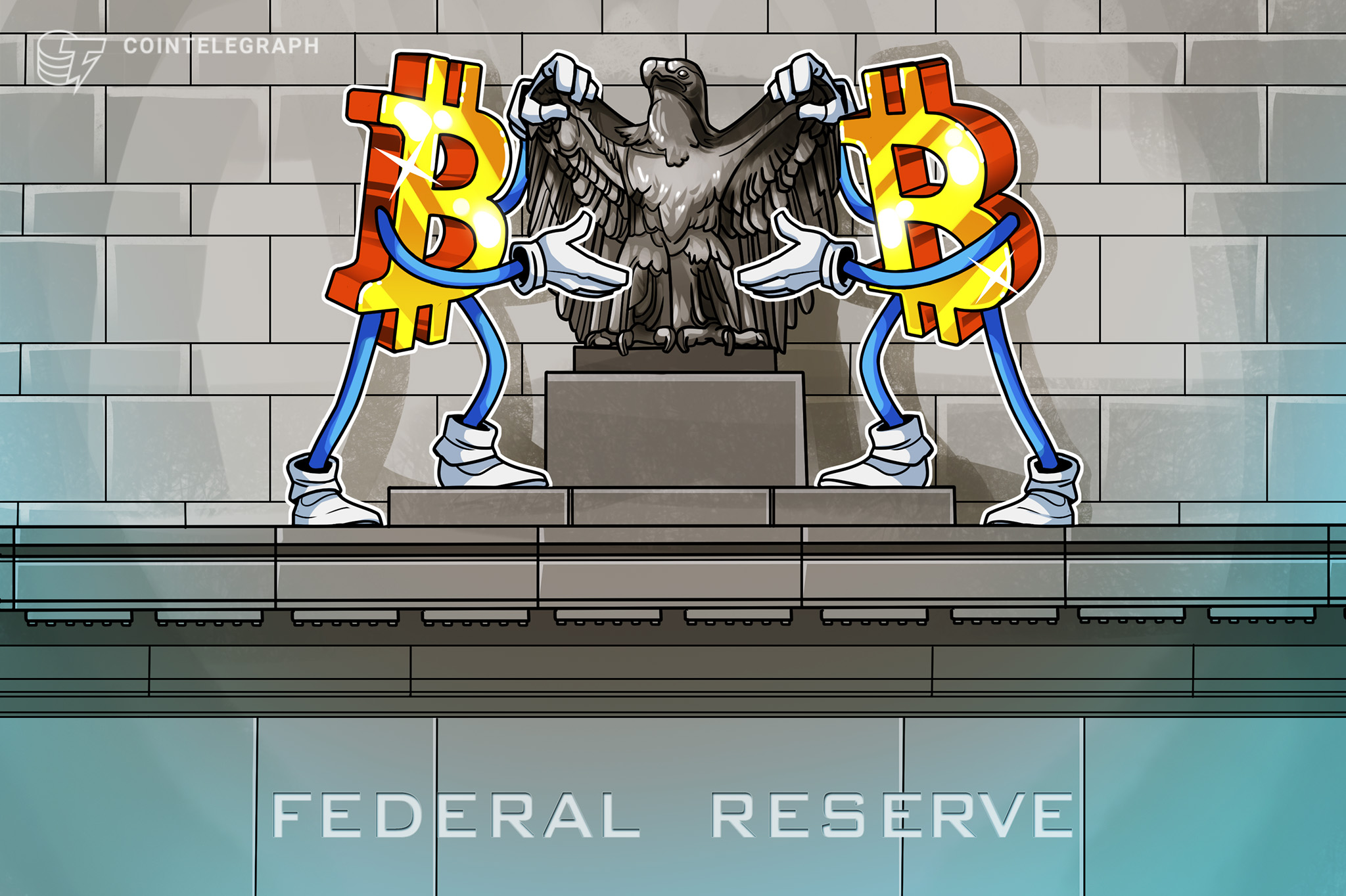
Bitcoin dipped to about $78,400 as traders reacted to Fed Chair Kevin Warsh's Jackson Hole keynote, which stayed wary of U.S. inflation even after recent softer prints. The move meant bitcoin dips 784k feds narratives dominated Friday's session, with BTC failing to secure a decisive break above $80,000 despite earlier momentum that had lifted crypto equities.
The pullback arrived as markets weighed whether lower inflation readings would translate into easier monetary policy. Warsh's tone suggested caution remained warranted, pressuring risk assets including Bitcoin.
Key Takeaways
- Bitcoin traded near $78.4K after failing to hold a decisive move above $80,000 following Warsh's Jackson Hole speech.
- The Fed chair's remarks downplayed recent softer U.S. inflation prints, keeping hawkish pressure on crypto and other risk assets.
- Bitcoin's earlier rebound above $80,000 had lifted crypto stocks, with miners and digital asset treasury firms posting double-digit weekly gains.
- Circle, Strategy and Solana highlight how capital markets, stablecoins and onchain activity are shaping crypto's broader recovery narrative.
- Traders are watching whether macro policy signals will override the rally fueled by Treasury bond buyback plans and renewed legislative momentum.
Why did Bitcoin fail to break above $80,000?
According to Cointelegraph, Bitcoin could not make a decisive break above the $80,000 level as participants digested Warsh's Jackson Hole address. The speech remained skeptical toward recent softer inflation data, reinforcing concerns that the Federal Reserve may not quickly pivot toward easing.
That macro uncertainty often hits Bitcoin first because the asset trades as a liquid risk proxy. When policy expectations tighten, leveraged crypto positions tend to unwind quickly.
For more daily coverage of moves like this, see our Fintech & Crypto Alerts hub.
What did Kevin Warsh say about inflation at Jackson Hole?
Warsh used his keynote to signal continued vigilance on inflation rather than comfort with recent lower prints. By downplaying the significance of softer readings, he implied the Fed still sees price pressures as a constraint on policy.
For crypto traders, that message matters because Bitcoin's latest swings have tracked shifting rate expectations. A chair who dismisses encouraging inflation data tends to support higher-for-longer rate assumptions, which can cap rallies in non-yielding assets.
How did Bitcoin's $80,000 rebound affect crypto stocks?
Before the Jackson Hole setback, Bitcoin's return above $80,000 had lifted crypto equities sharply. Cointelegraph's Crypto Biz column noted that miners and digital asset treasury companies including Canaan, MARA Holdings and Strive posted double-digit gains over the past week, while Coinbase and Robinhood also rallied.
Bitcoin extended its weekly advance past 23%, while Ether gained nearly 30% to trade above $2,500, according to CoinMarketCap data cited in the report. Support also came from the U.S. Treasury's plan to double certain long-dated bond buybacks, alongside President Trump's renewed calls for Congress to pass the CLARITY Act.
What companies are tied to Bitcoin's latest cycle?
The same Crypto Biz report highlighted how Circle, Strategy and Solana illustrate crypto's deepening links to traditional finance. Bernstein analysts argue a fresh U.S. growth cycle for Circle's USDC stablecoin could boost the stock, while Strategy remains the largest institutional Bitcoin holder with 840,447 BTC on its balance sheet.
Solana processed a record 4.2 billion onchain transactions in July, preceding a rally that pushed SOL above $100. Together, these trends show Bitcoin's price remains the headline, but equity, stablecoin and network activity are increasingly part of the same macro trade.