What sets the best car accident lawyers apart in court
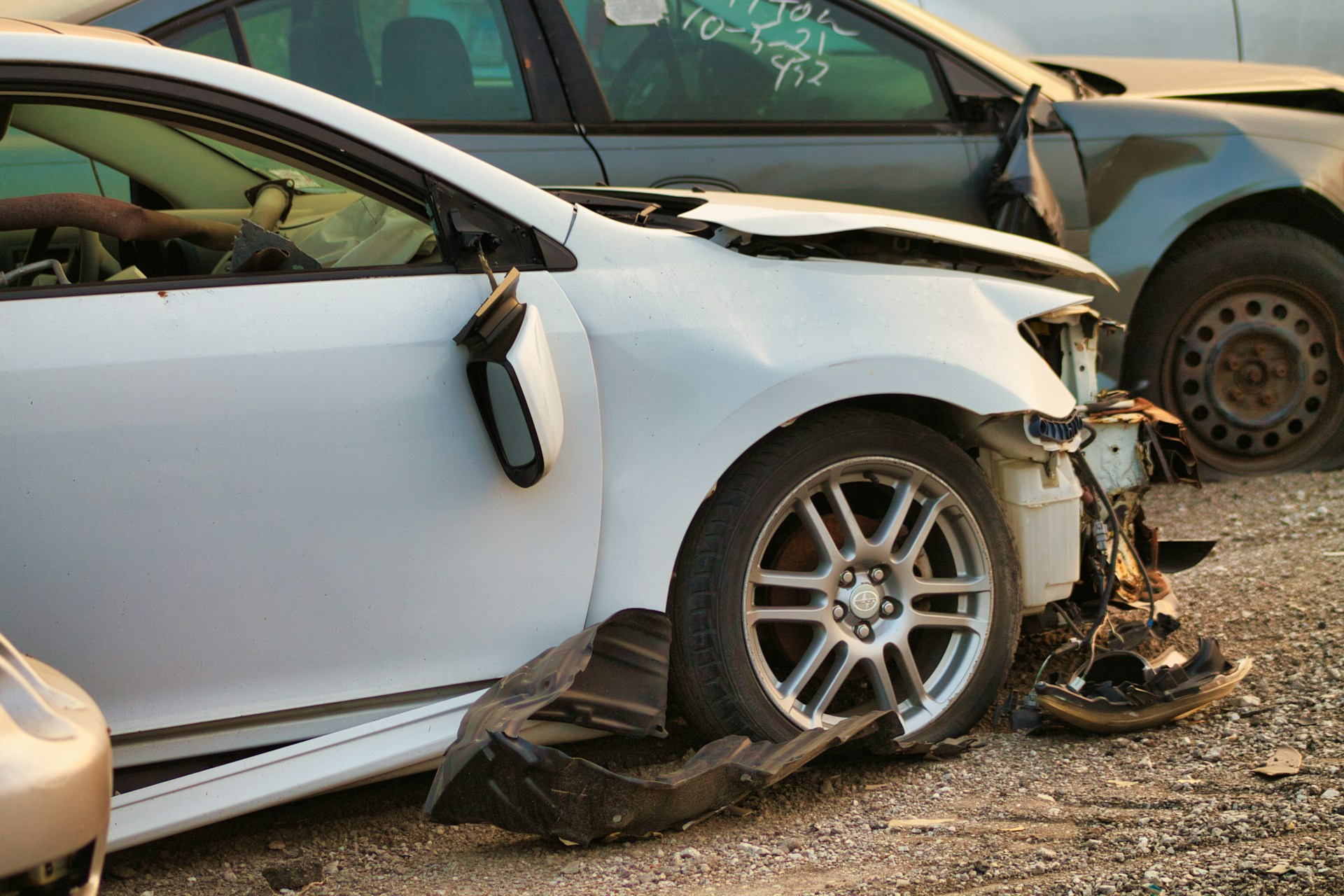
The best car accident lawyer stands out in court by being genuinely trial-ready, moving fast to preserve evidence, and having the resources and specialized know-how to prove liability and damages under pressure. Two 2026 legal hiring guides say these traits matter because serious injury cases can turn on time-sensitive proof, expert support, and a firm’s willingness to try the case when needed.
Why it matters now: the difference between “good enough” representation and courtroom-ready representation can shape financial recovery, medical-bill pressure, and leverage in negotiations—especially in complex crashes that demand more than a standard playbook. For more consumer-style alerts and analysis, see our hub at Fintech & Crypto Alerts.
Key Takeaways
- Trial readiness changes leverage: the strongest firms prepare from day one as if trial is coming.
- Speed and systems protect proof: rapid evidence preservation and a defined early-case protocol are recurring “separators.”
- Specialization signals competence: guides stress that some crashes involve rules and records many general practices gloss over.
- Resources matter: investigators, experts, and the capacity to fund litigation can determine how far a case can be pushed.
What does “trial-ready” actually mean for a car accident lawyer?
In Kash Legal’s 2026 guide to hiring after an injury, “trial readiness” is treated as a non-negotiable screening test: choose a firm that commits to trial preparation from day one, rather than one that simply aims to settle quickly. The same guide emphasizes disciplined steps—like acting fast to preserve evidence and confirming fees and communication expectations—because early decisions set the ceiling for what a case can prove later.
AZ Big Media’s Atlanta trucking-law overview makes a similar point in a different context: firms that openly describe “resources and trial willingness” as core differentiators are signaling they can carry a dispute into the courtroom instead of relying on volume or marketing.
How do the best lawyers protect evidence before it disappears?
Both sources put urgency front and center. Kash Legal explicitly recommends acting within 24–48 hours to preserve evidence and prioritizing firms with investigators and access to expert witnesses. The guide frames this as a practical filter: ask what the firm will do immediately after being retained, and whether it has the staffing and systems to execute quickly.
AZ Big Media also stresses evidence as a key separator—especially for commercial-vehicle cases that can hinge on records and data beyond what “ordinary collisions” involve. Even if your claim isn’t a truck case, the underlying lesson is straightforward: a courtroom case is only as strong as the proof that survives the first days and weeks.
Why does specialization matter if your case “looks like” a typical crash?
AZ Big Media warns that truck cases turn on rules and records that “do not apply to ordinary collisions,” urging readers to ask how many truck cases a firm has actually handled. Kash Legal’s hiring framework likewise focuses on relevant experience, insurance/coverage mapping, and the ability to handle complex liability layers—practical markers of whether a team can connect technical facts to legal accountability.
If your crash involves commercial vehicles, catastrophic injuries, or disputed fault, these screening questions become more than academic: they’re a way to test whether your prospective car accident lawyer is built for complexity or just comfortable with routine claims.
What questions should you ask before you hire?
Based on the two guides, prioritize questions that reveal execution, not slogans:
Ask about the firm’s immediate evidence-preservation plan, whether investigators and experts are available, how communication will work, and whether the firm is prepared to take the case to trial if a fair resolution isn’t offered. AZ Big Media also highlights a practical angle: compare a firm’s posture (specialized, trial-first, low-volume) versus high-volume models, and choose the one that treats complex cases as a specialty—not a side category.
For readers who want an authoritative reference point on the federal trucking rules repeatedly mentioned in these discussions, see the Federal Motor Carrier Safety Administration’s regulations page at FMCSA.