Spain wildfire kills 12 near Bedar as heatwave continues
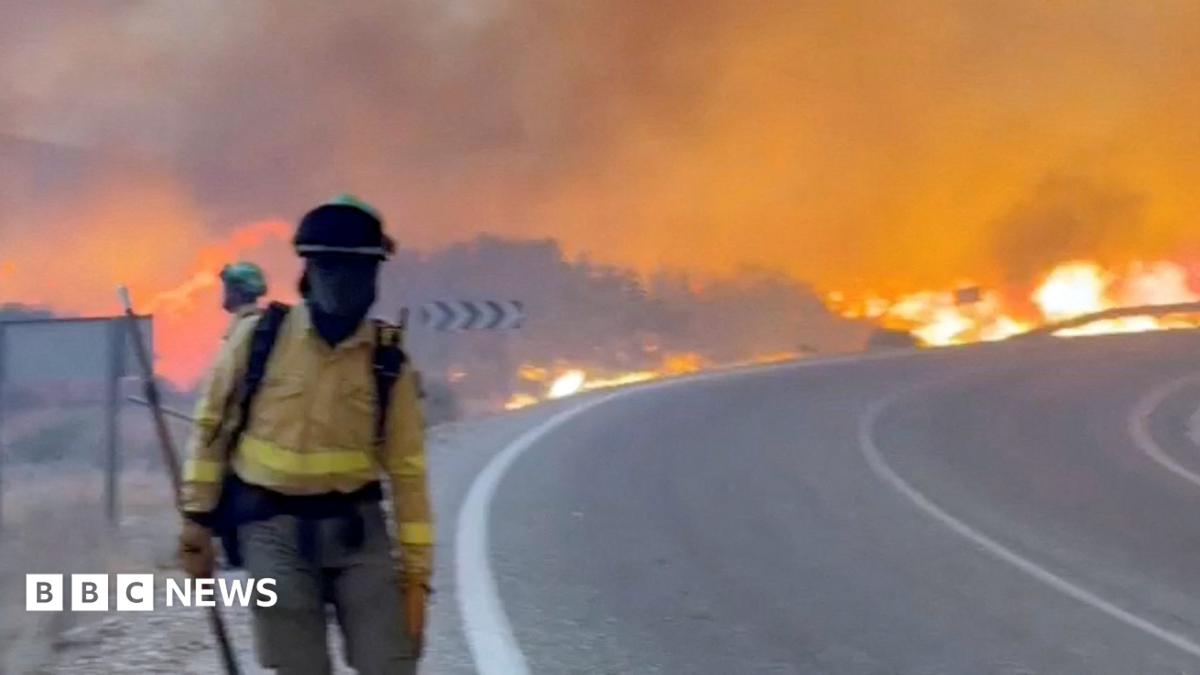
At least 12 people died in a fast-moving wildfire near Bedar, Spain, in Almería province on July 10, 2026, as a severe heatwave pushed temperatures toward 40°C across southern Andalusia. Regional authorities said several victims were found in vehicles, six others were injured, and search operations continued while firefighters worked to contain the blaze.
The disaster struck one of Europe's most heat-stressed regions at summer's peak, when dry vegetation and extreme temperatures make fast-spreading fires far more likely. For homeowners and anyone with property exposure in southern Spain, the Bedar fire is both a human tragedy and a reminder that climate-driven wildfire risk is no longer distant.
Key Takeaways
- Regional officials confirmed at least 12 deaths near Bedar and Los Gallardos in Almería, revising an earlier toll of six.
- Several victims were found inside vehicles, and at least six people were injured, including residents hospitalized with burns and smoke inhalation.
- The fire broke out Thursday near the N-340 highway in Los Gallardos before spreading into Bedar, forcing evacuations and highway closures.
- Witnesses reported a fallen power line may have ignited dry brush, though authorities have not confirmed the cause.
- The blaze hit during a wider southern European heatwave, with orange weather warnings active across parts of Andalusia.
What happened near Bedar, Spain?
A wildfire tore through the Los Gallardos area of Almería province in Spain's southern Andalusia region on Thursday, July 9, before pushing into the neighboring municipality of Bedar. By Friday, the regional government confirmed at least 12 people had died after six additional deaths were found in the fire zone.
According to the BBC, victims were discovered in and around the village of Bédar, just outside Los Gallardos. Al Jazeera reported that several of the dead were found trapped in vehicles while trying to flee. At least six people were injured, including a woman with severe burns and another hospitalized for smoke inhalation.
Antonio Sanz, Andalusia's emergencies minister, called the fire an "unprecedented tragedy" and the most devastating blaze the region had seen. Andalusian leader Juanma Moreno said nineteen people remained unaccounted for as searches continued, according to Al Jazeera. Regional outlet La Voz de Almería described it as the deadliest fire in Andalusia's recent history.
Roughly 150 firefighters backed by five fire trucks battled the flames, while more than 300 emergency personnel overall were deployed, including Spain's Military Emergency Unit. Heavy smoke forced authorities to close two major highways. The BBC reported about 1,000 residents evacuated, while dozens of others were sheltered in a local cultural centre.
How did the Los Gallardos fire start?
Officials have not confirmed what ignited the blaze. Witnesses told authorities a power line may have fallen, igniting dry vegetation before flames spread rapidly through surrounding woodland. Al Jazeera noted investigations into the exact cause remain ongoing.
Temperatures neared 40°C as Spain sweltered under a sustained heatwave. Orange weather warnings, the second-highest alert level, were in place across parts of Andalusia. Dry brush, strong winds, and extreme heat created conditions where a single ignition could escalate within hours.
That uncertainty matters for property owners and insurers. Until investigators determine a cause, questions about infrastructure safety near rural housing may remain open. Residents depending on roads such as the N-340 corridor now have a concrete example of how quickly evacuation routes can become deadly.
Why is southern Spain facing deadlier wildfires?
Spain has experienced increasingly frequent and prolonged heatwaves, with temperatures often exceeding 40°C and creating conditions for major wildfires. AEMET said the country registered its third-warmest year on record in 2025, with 25 single-day heat records set during that period.
The BBC reported Spain reached its highest daily average temperature since 1950 in June 2026, with some areas forecast to hit 42°C. According to the Copernicus climate service, Europe is the world's fastest-warming continent, heating roughly twice as fast as the global average. That trend means longer fire seasons and more dangerous conditions for communities in forested hillsides like those around Bedar.
For anyone treating Spanish property as a long-term asset, heat records are the backdrop against which insurance premiums, evacuation planning, and seasonal occupancy decisions are now made.
What does this mean for property owners and investors?
The human cost near Bedar, Spain, far outweighs any financial concern. Yet evacuations, road closures, and emergency sheltering disrupt daily life for residents, workers, and tourism-dependent businesses across Almería. When major highways shut and hundreds or thousands of people are displaced, local commerce stalls even if flames never reach a given doorstep.
Three lessons stand out. Evacuation planning is not optional in fire-prone municipalities; several victims died in vehicles. Infrastructure vulnerability matters, with reports of a fallen power line as a possible ignition source. And climate trends are reshaping risk profiles across Andalusia, not just in headline-grabbing fire years.
Readers tracking how environmental shocks affect real assets can follow coverage in our Wealth Hacks & Passive Income section. Climate disasters now carry both humanitarian and portfolio-level consequences.
How is the government responding?
Prime Minister Pedro Sánchez expressed deep sadness and offered condolences to the families of those who died, wishing a speedy recovery to the injured. Moreno wrote that hearts were "heavy" and officials were "devastated by grief."
Firefighters, military emergency units, and regional authorities coordinated search operations while working to stop further spread. Earlier this year, Sánchez said Spain would deploy its largest-ever summer wildfire response, according to local media cited by the BBC. Search teams continued looking for missing people as smoke lingered over Los Gallardos and Bedar.
The Bedar fire will be remembered as one of Andalusia's deadliest in living memory. In southern Spain, the cost of summer heat is no longer measured only in electricity bills or tourist discomfort. It is measured in lives, displaced families, and a region confronting a fire season that shows little sign of easing.