Day Tripper without the riff: rare Beatles work tape
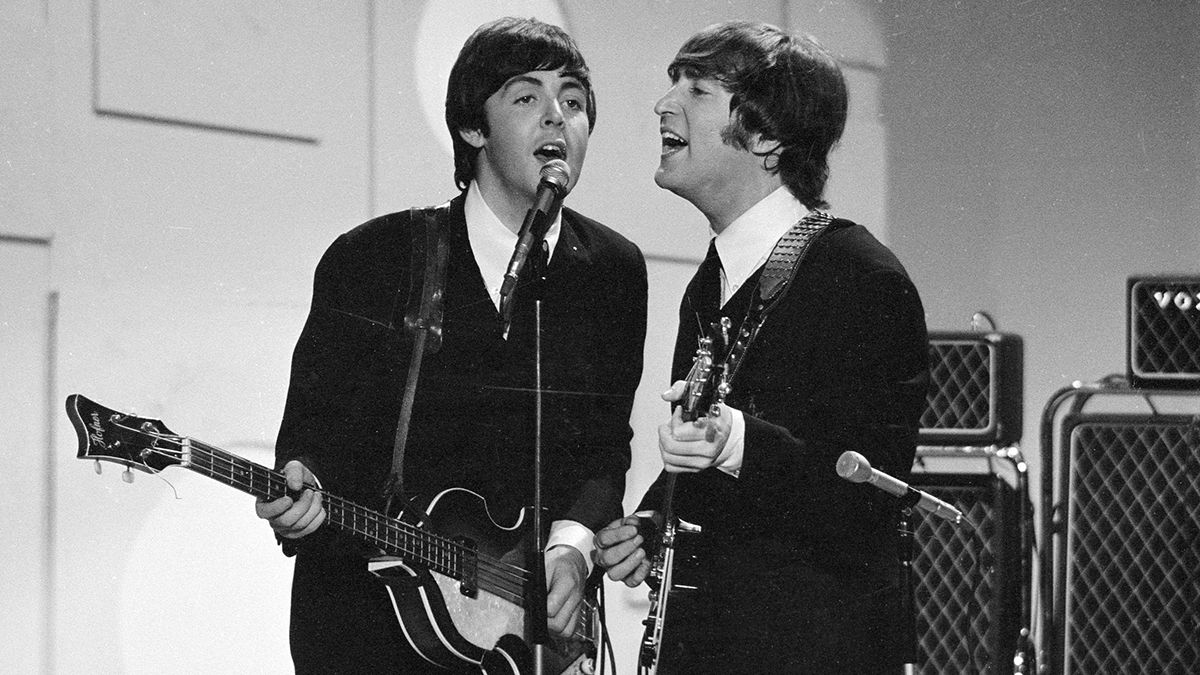
UMG and Apple Corps have released Day Tripper (Songwriting Work Tape), a rare early recording of John Lennon and Paul McCartney shaping the Beatles Day Tripper at Lennon's Weybridge home—before the song's famous guitar riff existed. The slower, roughly two-minute tape captures laughter, fluffed lyrics and already-tight harmonies ahead of the Rubber Soul Special Edition due 2 October.
Key Takeaways
- Day Tripper (Songwriting Work Tape) shows Lennon and McCartney working on the track before its defining guitar riff was written.
- The roughly two-minute home recording was made at Lennon's Kenwood home in Weybridge, Surrey, and is slower and more stripped-back than the hit single.
- The tape is a preview of the Rubber Soul Special Edition, out 2 October and newly mixed by Giles Martin and Sam Okell.
- Day Tripper and We Can Work It Out were issued in December 1965 as The Beatles' first UK double A-side, kept separate from the album under period chart custom.
- The work tape appears on Deluxe and Super Deluxe editions alongside other unreleased demos and session takes.
For fans of classic rock nostalgia, this release is less a remaster flex than a time capsule: two songwriters mid-process, before the hook that made Day Tripper immortal. It sits neatly with other Nostalgia: Then & Now stories about how iconic records really began.
What is on the Day Tripper songwriting work tape?
According to MusicRadar, Universal Music Group and Apple Corps have put out an early version of Day Tripper that omits the famous riff that usually forms the song's spine. Instead, listeners get a short piece—about two minutes—of Lennon and McCartney developing the song together.
The setting matters as much as the missing motif. The recording was made at Lennon's home in Weybridge, Surrey (his Kenwood house, as Official Charts notes). The tempo is slower than the finished single. Harmonies are already locking in, even while the arrangement stays sparse.
NME reports that the pair can be heard laughing as they work, and that someone on the tape notes how loudly the sound is being captured. MusicRadar adds a vivid flub: Lennon muffs the chorus as "one way driver, yeah." The fun of the partnership comes through as clearly as the unfinished music.
In other words, this is not a polished alternate take. It is a songwriting work tape—raw evidence of how The Beatles Day Tripper sounded while it was still being built.
Why was Day Tripper written without the famous riff at first?
Context from 1965 explains the urgency. MusicRadar notes that Parlophone needed a new single for the end of the year. In the UK then, singles and albums were customarily kept entirely separate. So on a spare day amid sessions already under way for Rubber Soul, Lennon and McCartney set to work on a track written partly to order.
NME says the song began with Lennon developing it as a folk song, then reshaping it with McCartney about a month later into what became the released version. Official Charts and NME both stress that the finished Day Tripper later came together in an eight-hour studio session. The work tape sits earlier on that timeline—before the bite, the polish and, crucially, the unmistakable riff.
A few weeks after the partners started this assignment, McCartney brought in an equally strong counterpart: We Can Work It Out. MusicRadar reports that both songs were released in December as The Beatles' first double A-side single. NME confirms they were kept off Rubber Soul itself as a standalone pairing.
That double A-side history is why hearing the Beatles Day Tripper in embryonic form feels so revealing. The public met a sharp, riff-driven hit. The tape shows the quieter drafting room first.
How does this tape fit the Rubber Soul Special Edition?
Day Tripper (Songwriting Work Tape) is available to stream now and will also appear on the forthcoming Rubber Soul Special Edition, due 2 October. NME reports the reissue is newly mixed by producer Giles Martin and engineer Sam Okell, with new stereo and Dolby Atmos mixes presented for the first time in more than six decades, plus the original mono mix and the original Capitol US album version.
MusicRadar says this Day Tripper tape is among unreleased home demos and takes in the package, and that it will be included only on the Deluxe and Super Deluxe editions. Apple Corps had already shared Michelle (Take 1); MusicRadar notes they are still holding back a major draw—a John Lennon demo called Little Girl that scholars reportedly did not even know existed in releasable form until recently.
Official Charts frames the wider Sessions haul as 24 early session recordings—including 20 previously unreleased takes—plus three previously unheard home demos, among them early versions of Day Tripper and We Can Work It Out. NME lists format tiers ranging from a Special Edition Standard with 14 songs and a Deluxe with 30 tracks up to Blu-ray and Super Deluxe box sets (5-LP or 4-CD) packing 68 tracks, plus an 88-page hardbound book with a new introduction by Paul McCartney and a foreword drawn from Lennon's words.
Official Charts also notes that Rubber Soul ranks as the sixth most-streamed album of the 1960s on its tally—helpful backdrop for why a deep-cut preview still moves the needle in 2026.
Where can you hear the Beatles Day Tripper work tape now?
The Songwriting Work Tape is out now via UMG and Apple Corps, with Official Charts dating the release to Wednesday 26 August. A visualiser accompanies the audio on platforms such as YouTube, giving casual listeners an easy entry point before the full reissue lands.
If you only know the hit single, start with this tape, then compare it to the familiar released version. You will hear how much of the Beatles Day Tripper personality—laughter, harmony, lyric play—was present before the riff arrived, and how much studio intensity still had to be added in that later eight-hour session.
For collectors, the practical takeaway is simple: stream the preview now, then decide whether Deluxe or Super Deluxe is the tier that unlocks the work tape and the broader Sessions and demos package on 2 October.
Either way, the story is the same one MusicRadar, NME and Official Charts are telling. A Beatles classic once lived as a slower home sketch. The riff that sold it to the world came later—and for the first time in decades, anyone can hear what that earlier stage sounded like.