Bayeux tapestry arrives at British Museum in dead of night
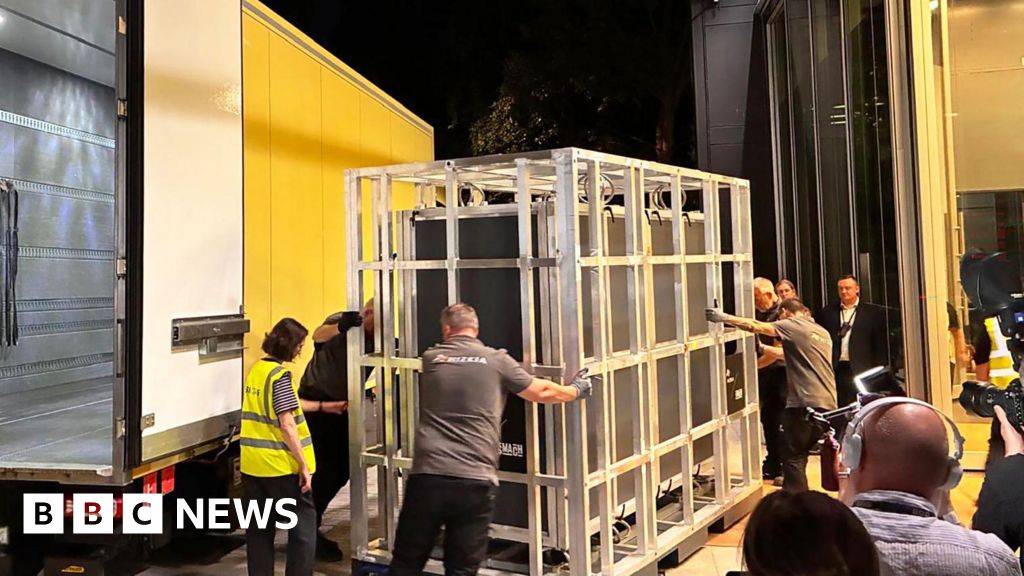
The Bayeux Tapestry arrived at the British Museum in the early hours of Friday, 10 July 2026, after a secret overnight journey from northern France. Chaperoned by police, the 11th-century embroidery crossed the Channel Tunnel in a climate-controlled crate and will open to the public from 10 September—its first time on UK soil in nearly 1,000 years. Museum director Nicholas Cullinan called the delivery a historic moment for one of the world's most fragile cultural treasures.
Key Takeaways
- The tapestry reached the museum at about 02:50, driven into a loading bay under tight security after an 11-hour, 350-mile trip from France.
- It travels on a nine-month loan while the Bayeux Tapestry Museum in Normandy is closed for renovation.
- The exhibition runs from 10 September 2026 to 11 July 2027 at the British Museum.
- President Emmanuel Macron framed the loan as a diplomatic gesture binding Britain and France closer together.
- Ticket demand has already shattered British Museum records, with more than £2.5 million in sales on the first booking day.
Why Was the Bayeux Tapestry Moved in the Dead of Night?
Security drove the secrecy. Journey details were kept confidential to prevent any untoward incidents around an artefact that has not left Normandy since 1983. According to BBC News, the heavy crate arrived at 02:50, lowered from a lorry in front of a small group including the French ambassador and British Museum staff.
The folding stand holding the tapestry was placed inside a temperature- and humidity-regulated inner crate, then nested in an outer cage with metal springs to absorb road shocks. The convoy travelled through the Eurotunnel before reaching central London under cover of darkness—less spectacle, more safeguard.
How Is the British Museum Preparing to Display It?
Visitors will not see the work immediately. Conservators plan several days of acclimatisation before carefully unpacking and unfolding the embroidery. For the first time, the tapestry will be shown flat inside a specially made glass case, with a mezzanine allowing viewers to take in its full length as they enter the gallery.
The loan was announced during French President Emmanuel Macron's state visit to the UK in July 2025 and finalised with Prime Minister Sir Keir Starmer. Macron wrote in The Times that the tapestry is an unfinished story—and that Britain and France must write the next chapter together.
Why Does This Loan Matter Beyond the Museum?
The embroidery depicts the 1066 Norman conquest of England, making it a symbol of intertwined Franco-British history. Macron called the loan a tangible expression of friendship and a sign that both nations want to build their future together, citing shared challenges from continental security to technological sovereignty.
Some French cultural figures had warned that moving the fragile linen and wool work carried physical risks, but the French government backed the loan while Bayeux undergoes renovations. Macron said the UK remains a strategic partner, ally and friend of France at a moment when both countries have chosen to act together.
How Strong Is Public Demand for Tickets?
Enthusiasm arrived long before the tapestry did. When bookings opened on 1 July, the British Museum recorded its biggest-ever day of ticket sales, generating more than £2.5 million in revenue, according to the Museums Association. The online queue peaked above 80,000 people, and website traffic hit 4.7 times the daily average.
September-to-December slots sold out on day one, with further releases planned for later in 2026 and early 2027. For context on how museums are using technology to protect and present heritage at scale, see our Future Tech & AI Wonders coverage.