Baroness Amos demands urgent NHS maternity overhaul
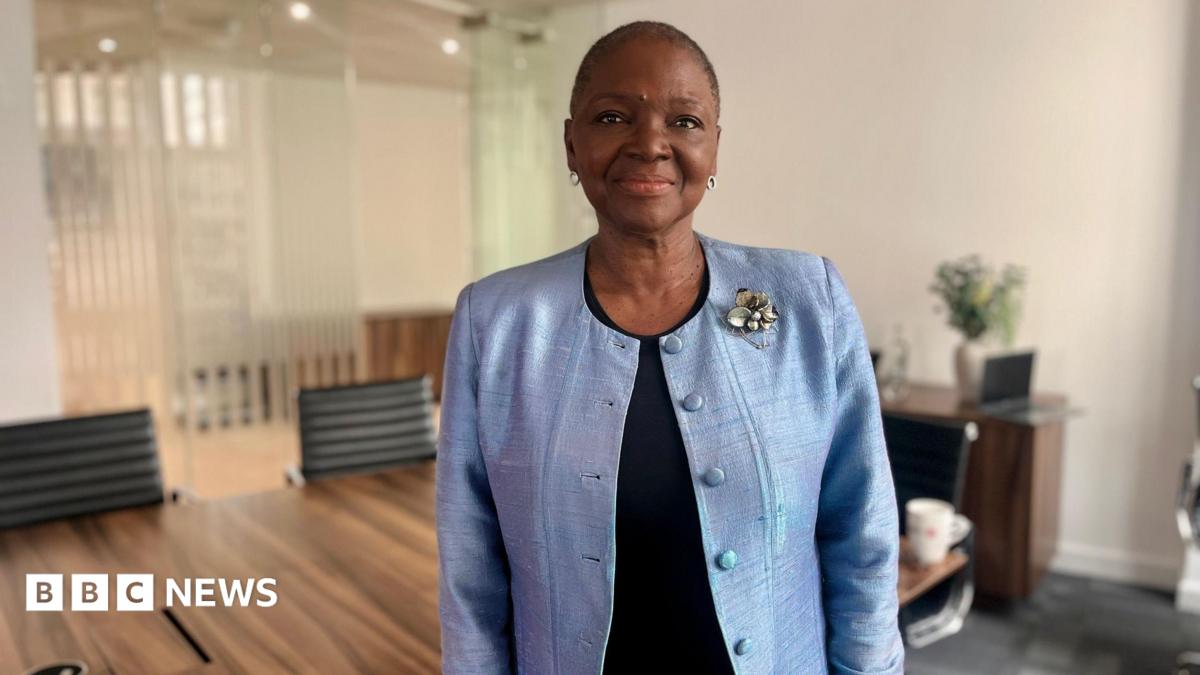
Baroness Valerie Amos has concluded that England's NHS maternity system is failing too many women, babies and families, with racism and discrimination embedded in care. Her landmark inquiry, published on 30 June 2026, demands an urgent overhaul including a powerful maternity commissioner, triage reforms and £41 million in safety investment. The former minister chaired the government-commissioned National Maternity and Neonatal Investigation after hearing from more than 450 families across 12 NHS trusts.
Key Takeaways
- Baroness Amos found England's maternity system is "not set up to deliver consistently safe, high-quality and compassionate care."
- The report identifies eight reforms, including a maternity commissioner with a "relentless focus" on improving standards.
- Racism and discrimination must be treated as critical safety issues, with granular data escalated to board level.
- The government pledged a national action plan by December and £41m to improve maternity and neonatal safety.
- Baroness Amos does not currently support a statutory public inquiry, saying such processes take too long.
What did Baroness Amos's inquiry find?
The Independent National Maternity and Neonatal Investigation, ordered by Health Secretary Wes Streeting in June 2025, paints a bleak picture of systemic failure. Baroness Amos described the system as "fragmented, overly complex and too slow to learn and improve," and said "as a country... we cannot continue like this."
Her team centred findings on six key areas: capacity pressures, culture and leadership, racism and discrimination, poor accountability when harm occurs, outdated estates, and workforce shortages. Families reported being disregarded, facing cover-ups, and encountering a lack of compassion when things went wrong.
Structural racism was found to create notably higher risks for women from Black and Asian backgrounds and more deprived areas. Discrimination against disabled women, Muslim families, refugee and asylum seekers, and LGBT families was also documented. Staff described units too depleted to provide safe care, with stretched wards delaying admissions.
Why does the report call for a maternity commissioner?
Among eight recommended changes, Baroness Amos urged the appointment of a maternity and neonatal commissioner able to independently hold the system to account. The Department of Health and Social Care said it would take "urgent steps" in response to what it called a "landmark" investigation, with the commissioner driving change and rebuilding trust.
One immediate action targets triage services, which Baroness Amos said are "increasingly becoming the A&E service for maternity." She also called for urgent intervention on unequal outcomes, requiring trusts to gather granular data and escalate patterns to board level.
Not everyone agrees the commissioner model goes far enough. Some bereaved families' groups warned the proposal could concentrate power in unaccountable hands. Labour MP Michelle Welsh, a maternity safety campaigner, cautioned the review risks becoming a "damp squib" without bold government action.
What happens next for NHS maternity care?
The government has pledged to publish a national action plan in December alongside the £41m investment. Publication was not without controversy: leading maternity investigator Dr Bill Kirkup resigned as an expert adviser days before the report, reportedly over wording on normal birth ideology in the final conclusions.
Baroness Amos acknowledged calls for a statutory public inquiry that could compel senior trust figures to give evidence. She told the BBC such inquiries "take a very, very long time," adding she does not currently see a need for one, though the decision rests with ministers.
Commentators have echoed the urgency. The Times columnist Camilla Long argued only "a nation stripped of empathy" could treat women as the inquiry described. For more on how institutional failures keep surfacing in unexpected places, see our Bizarre World coverage.