BAE Systems submarine contract set to boost UK jobs
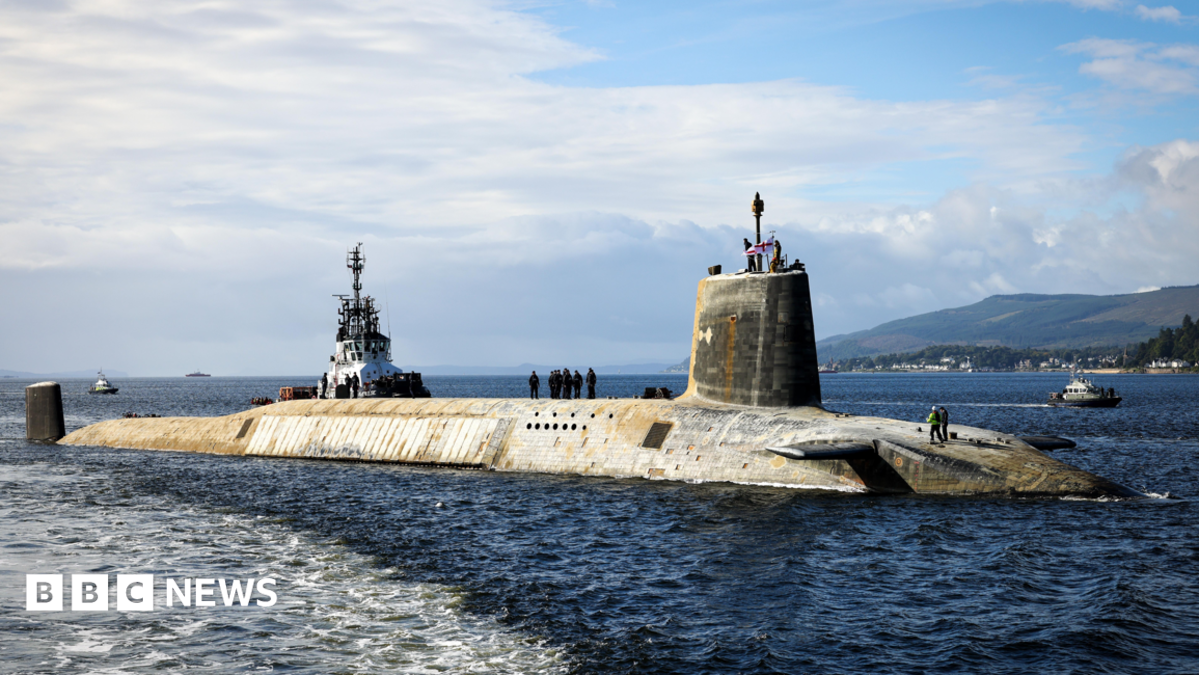
The BAE Systems submarine contract worth £5.9 billion will finish the first four Dreadnought-class boats, Prime Minister Andy Burnham said, as £8.4 billion in next-phase funding aims to protect Britain for decades while supporting tens of thousands of jobs and apprenticeships.
Key Takeaways
- BAE Systems secured a £5.9bn contract to finish the first four Dreadnought nuclear submarines at Barrow-in-Furness.
- An £8.4bn next phase of Trident renewal is framed as both national security and regional job creation.
- UK nuclear defence work already supports about 47,000 jobs, with forecasts of 65,000 by 2030 and 22,000 apprenticeships by 2035.
- Burnham tied the spend to a “reindustrialised Britain,” while declining a firm 3% of GDP defence target by 2030.
- Opposition parties criticised the plan as underfunded, rehashed, or the wrong way to create work.
The announcement lands as Burnham prepares a visit to the BAE Systems shipyard in Barrow-in-Furness, where four new Dreadnought-class boats are under construction. According to BBC News, he argued the vessels will “protect Britain for decades to come” while the wider nuclear programme sustains employment and skills across the country.
For readers tracking how big public contracts feed local pay packets and training pathways, the economic case sits alongside the defence story. That jobs-and-skills angle is also why this fits BlasterPost’s coverage of wealth hacks and passive income themes around employment, apprenticeships, and community investment.
What does the BAE Systems submarine contract actually cover?
The largest share of the latest Dreadnought phase goes to BAE Systems, which owns the Barrow yard. The Guardian reported the firm received a new £5.9bn contract to complete the build of the first four boats, including HMS Dreadnought, so the lead boat can be ready for service in the early 2030s.
That award sits inside a broader £8.4bn funding step described as the fourth phase of the replacement programme. BBC reporting notes the cash was already planned in the Defence Investment Plan published in the final days of Sir Keir Starmer’s government.
The overall Dreadnought programme is valued at about £31bn and is complex enough to include a £10bn contingency for overspends. Government procurement monitors have already placed the programme on amber alert over scale and delivery risk, The Guardian said.
The new boats will replace four Vanguard-class submarines that have carried Trident missiles since the early 1990s. Those vessels are due to retire in the 2030s as the Dreadnoughts enter service. The replacement effort was first announced in 2006 under Tony Blair, with MPs formally approving construction in 2016.
How many jobs will nuclear submarine investment support?
Burnham’s message before the Barrow visit stressed both deterrence and employment. “Security is not only about what we build, it is about who builds it, and who benefits from it,” he said.
Government figures cited by the BBC say spending on the UK’s nuclear defence currently supports around 47,000 British jobs. That total is forecast to rise to 65,000 by 2030, including 22,000 apprenticeships by 2035.
Downing Street, via The Guardian, linked the £8.4bn phase to 18,000 extra jobs in nuclear defence by 2030 and 22,000 additional apprentices by 2035. About 13,500 of today’s nuclear-related roles sit at the Barrow shipyard alone.
Supply-chain employment stretches further. Trident warheads are designed and built at AWE sites in Aldermaston and Burghfield in Berkshire, employing about 9,000 people. Another 4,000 workers at Rolls-Royce in Derby help build the nuclear reactors that power Dreadnought and other Royal Navy submarines.
The Defence Investment Plan also sets out £63.6bn over four years for the Defence Nuclear Enterprise. Roughly £47bn of that pot goes toward keeping nuclear boats in operation, continuing Dreadnought work, preparing what might replace them in about 30 years, building other new submarines, and upgrading naval docks and manufacturing facilities.
Why does Burnham say this spending matters for Britain?
Burnham is casting Trident renewal as central to a “reindustrialised Britain.” He argued British money should go to British workers, firms, and skills “in the places that were written off for 40 years,” and told young people there is a path into industry through apprenticeships funded by the investment.
Since taking office just over a week ago, he has leaned into a Nato pledge to raise defence spending to 3.5% of GDP by 2035—an increase of more than £25bn a year, according to The Guardian. He has also pushed procurement reforms that give more “social value weighting” to firms offering 45-day work placements, inspired by his Greater Manchester mayoral record.
Politically, the Barrow trip also underscores his long-standing support for the deterrent. He voted to build the new submarines in 2016, when Labour split and then-leader Jeremy Corbyn voted against. Defence Secretary Wes Streeting and Chancellor John Healey also backed the programme then; Louise Haigh, who now runs the prime minister’s office, voted no.
Funding politics remain unsettled. Burnham declined to commit to an interim 3% of GDP defence target by 2030, saying Nato-related commitments relate to the parliament after this one while insisting the UK will honour its 3.5% pledge by 2035. Healey previously resigned as defence secretary under Starmer over the lack of a clear timeline toward higher spending.
What are critics saying about the announcement?
Conservative shadow defence secretary James Cartlidge welcomed progress on the submarine programme but accused Burnham of “failing to commit” to fully funding defence.
Reform UK’s Danny Kruger called the announcement a “rehashed spending plan” that did “nothing to address the crisis in the UK’s nuclear programme,” urging a significant spending rise and an overhaul of procurement and the nuclear enterprise.
Liberal Democrat defence spokesperson James MacCleary pressed for defence bonds to raise dedicated funding across the armed forces. Green Party Westminster leader Ellie Chowns questioned billions spent on “weapons that must never be used,” arguing ministers should not claim nuclear weapons programmes are the best route to employment.
Even so, the near-term industrial signal is concrete: a major BAE Systems submarine contract, multi-billion-pound phase funding already mapped in prior plans, and a political pitch that defence pounds should show up as jobs, apprenticeships, and revived shipyard towns.