Australia identifies likely source of Queensland’s ‘space balls’
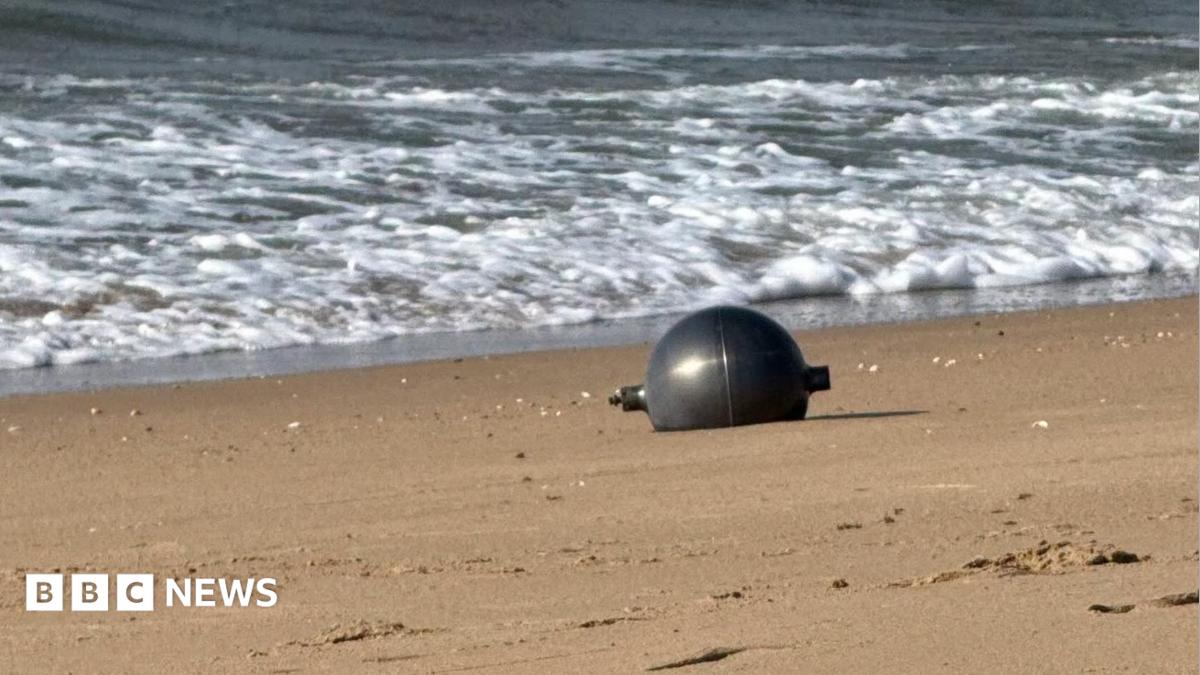
DIRECT ANSWER 40-60 words Australia’s Space Agency says six mysterious metal spheres that washed up on Forrest Beach in north Queensland are likely “pressure vessels” from a space launch vehicle—debris consistent with a foreign rocket body that recently re-entered from orbit. With bbc newsround-style clarity: don’t touch them—authorities treated them as potentially hazardous.
Key Takeaways
- Australia’s Space Agency says the spheres are likely rocket “pressure vessels” (nicknamed “space balls”).
- Officials set a 50m exclusion zone and advised the public to move away and call emergency services.
- The agency says the debris appears consistent with a foreign rocket body re-entry and is working internationally to confirm the source.
- Experts warned the objects could potentially contain traces of toxic rocket fuel such as hydrazine.
What exactly washed up on the beach—and where?
Over the weekend, six solid, shiny spheres were found on Forrest Beach, a small coastal area north of Townsville in Queensland. The objects triggered an emergency response, including a 50-metre exclusion zone, as Queensland authorities warned they could be “potentially hazardous objects.”
In images and footage referenced by multiple outlets, crews in protective suits were seen handling the spheres and placing them into hazmat containers under police guard amid concerns they could contain hazardous substances.
Why does Australia think these are “space balls” from a rocket?
Australia’s Space Agency said it has “identified the likely source,” stating the objects “appear to be pressure vessels from a space launch vehicle.” The agency added that the objects’ location and characteristics are consistent with debris from a foreign rocket body that recently re-entered Earth’s atmosphere from orbit.
Smithsonian Magazine notes these pressure vessels are part of rocket fuel systems and can survive re-entry because they’re built from robust materials with high melting points. Space archaeologist Alice Gorman (Flinders University) described the finds as a classic example of what specialists call “space balls,” and explained that once emptied, they can be buoyant—making it plausible they splashed down at sea and later drifted ashore.
Are the spheres dangerous, and what should people do?
Authorities repeatedly urged people not to touch the objects. Queensland’s fire service maintained a 50m exclusion zone and instructed anyone who encounters suspicious debris to move away and call emergency services.
One reason for caution: experts cited in the BBC and The Guardian said similar tanks can be associated with hydrazine, a highly volatile and toxic propellant. The Guardian reported police suspected the objects could contain hazardous chemicals, and Gorman warned they could potentially contain remaining hydrazine even if they look intact.
Has the exact rocket—or country—been confirmed yet?
Not yet. Australia’s Space Agency said it is engaging with international authorities to formally confirm the launch vehicle and “launching state.” For now, the agency’s public position is that it has a likely match based on the objects’ characteristics and where they were found, but final identification is still pending.
For ongoing coverage of real-world mysteries like this, see our hub at True Crime & Unsolved Mysteries. For the primary reporting, read the BBC’s account at BBC News.