10 places to see August's eclipse and Perseids in one trip
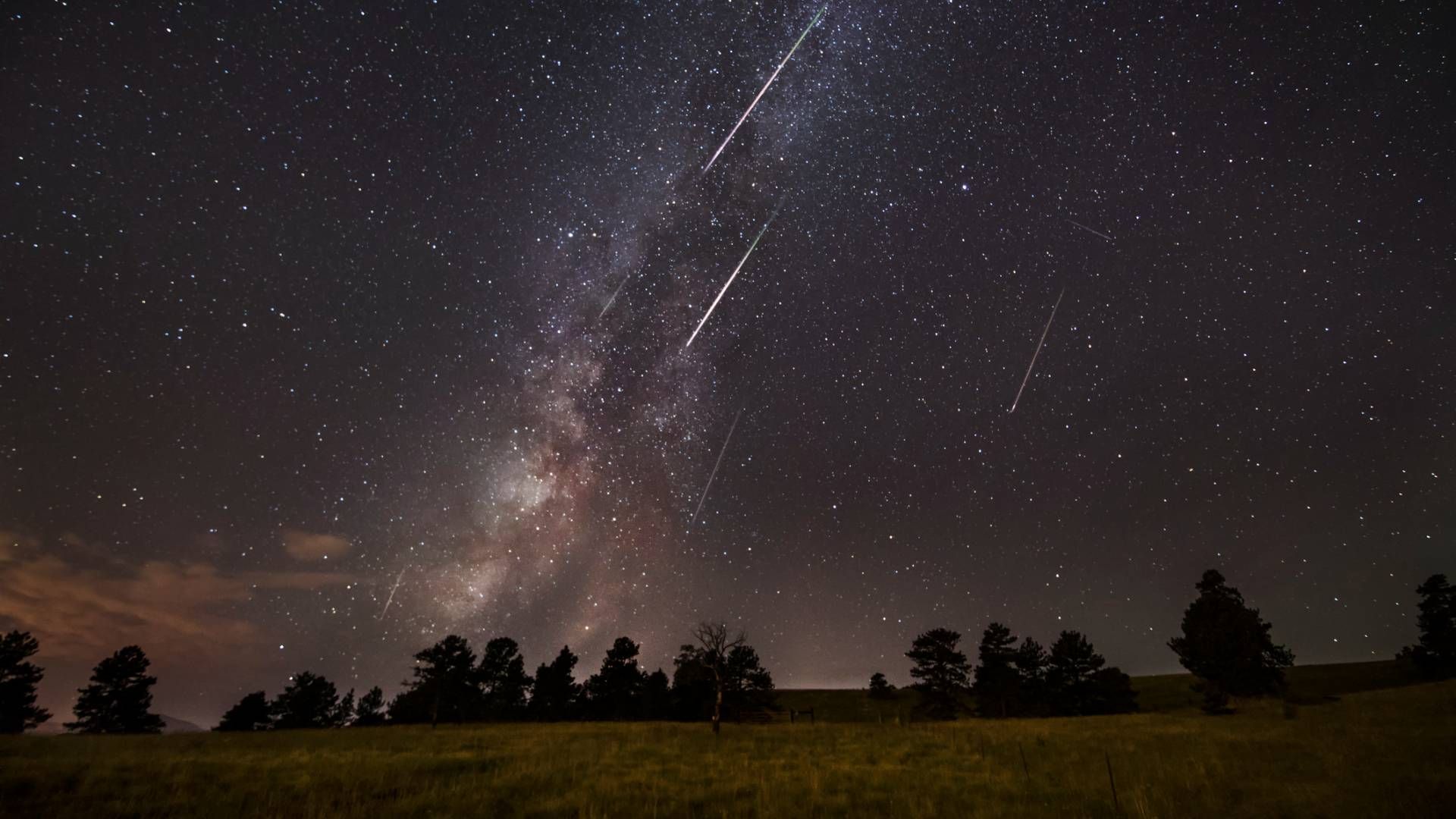
On Aug. 12, 2026, northeastern North America gets a partial solar eclipse by day and the Perseid meteor shower peak by night. Space.com flags 10 dark-sky parks from Newfoundland to Maryland for both events in one overnight trip, with the deepest eclipse coverage in eastern Canada.
Key Takeaways
- Aug. 12, 2026 pairs a daytime partial solar eclipse with the Perseids peak after dark across northeastern North America.
- The same eclipse is total over eastern Greenland, western Iceland, and northern Spain.
- Gros Morne, Newfoundland, leads the listed spots at about 49% coverage; southern mid-Atlantic sites see far less.
- Certified eclipse glasses are required for the partial phase; leftover 2024 glasses must be checked for damage.
- Book campsites early—peak Perseids night is among the busiest camping nights of the year.
What is happening on Aug. 12, 2026?
According to Space.com, the afternoon partial eclipse is part of a total solar eclipse that day over eastern Greenland, western Iceland, and northern Spain. Hours later, the Perseids peak under dark summer skies.
Forbes notes the shower peaks on the night of Aug. 12–13 under a new moon, giving Northern Hemisphere skywatchers a rare same-day double feature. Spain’s path of totality near sunset is a separate destination for travelers chasing the full show.
If you track outdoor recovery and night-sky habits, more wellness-minded coverage lives in our Longevity & Biohacking category.
Where are the best U.S. and Canada spots?
Space.com’s list prioritizes dark skies plus a usable southwest horizon. Top Canadian picks include Gros Morne National Park (about 49% at 3:26 p.m. NDT), Mount Carleton and Fundy dark-sky preserves in New Brunswick (about 31%), Kejimkujik in Nova Scotia (about 28%), and Mont-Mégantic in Quebec (about 22%).
On the U.S. side: Acadia National Park in Maine (about 24%), the Adirondacks (about 15%), the Catskills (about 11%), Cherry Springs Dark Sky Park in Pennsylvania (about 7%), and Assateague Island in Maryland (about 4%). Farther east means a bigger bite of the sun; farther southwest means a thinner eclipse but often excellent Perseids views.
Forbes city snapshots include St. John’s at 53%, Halifax 31%, Boston 16%, and New York 10%—useful if you are choosing between parks and urban viewing.
How should you watch the eclipse safely?
Astronomer Tyler Nordgren told Space.com the partial phase is never safe for naked-eye viewing or unfiltered cameras. Use ISO 12312-2 certified eclipse glasses or approved solar filters, and inspect older glasses for pinholes or scratches.
Pack a reclining chair, warm layers, and bug spray, then lock in a campsite before you fine-tune the itinerary. Coastal fog, humidity, and August mosquitoes can still spoil an otherwise dark sky—so build a weather backup into the plan.