August blood moon: when to see it and which planets shine
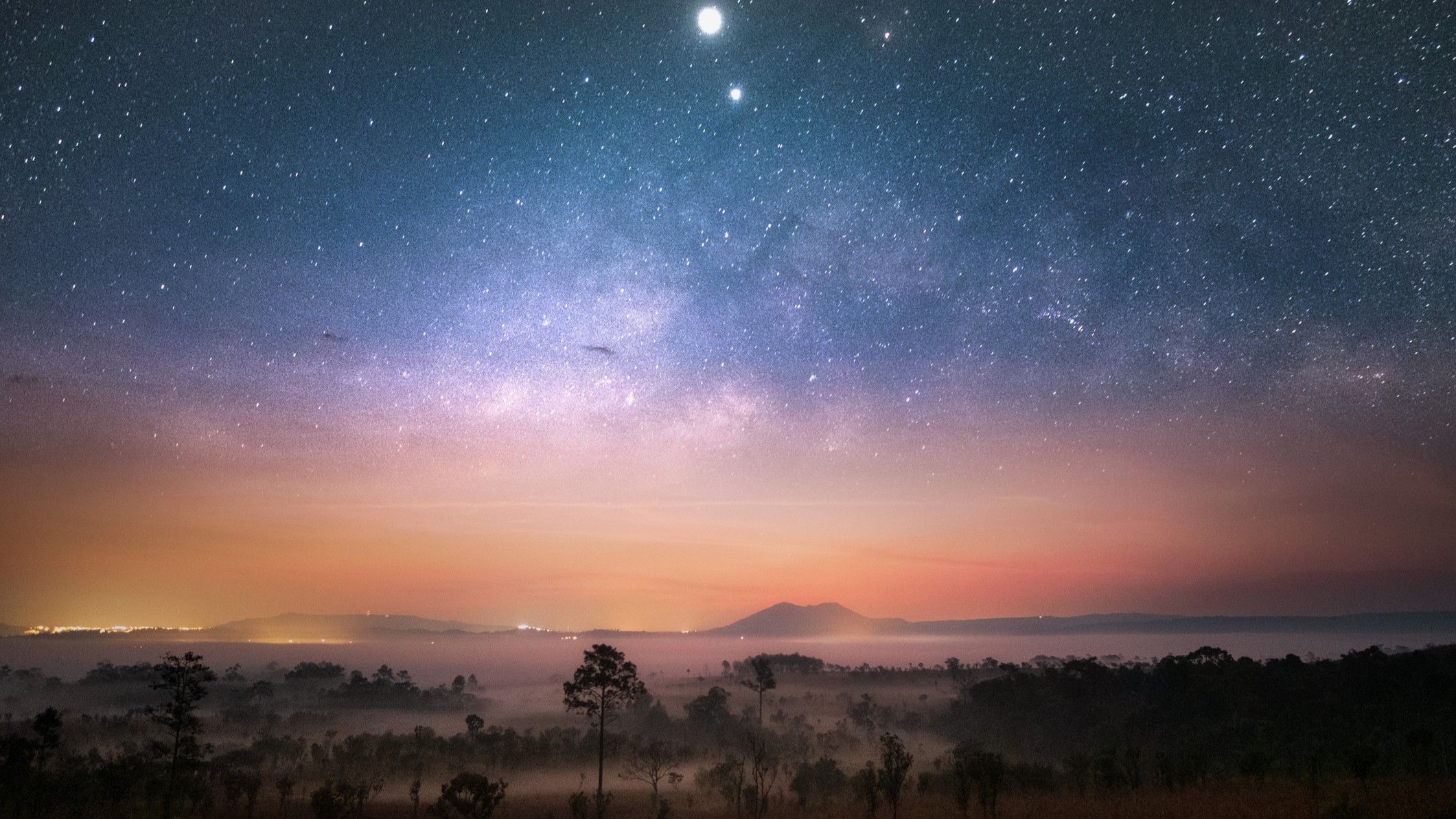
A deep partial lunar eclipse on the night of Aug. 27–28 will turn nearly 96% of the moon reddish — the blood moon skywatchers are waiting for. Peak coverage hits around 12:12 a.m. EDT on Aug. 28, visible across the contiguous U.S. and Hawaii, while Venus, Saturn, and a dawn planet parade fill August's skies.
August 2026 packs rare eclipse drama with reliable planet viewing. For more viral skywatching updates, follow Celebrity Breaking News on BlasterPost.
Key Takeaways
- A near-total partial lunar eclipse on Aug. 27–28 can deliver a reddish blood moon glow at peak.
- Maximum shadow coverage is about 96%, peaking at 12:12 a.m. EDT on Aug. 28.
- Venus rules evenings; Mars and Saturn favor mornings; Mercury and Jupiter meet at dawn mid-month.
- Aug. 12 brings a total solar eclipse for parts of Europe and the Arctic, plus peak Perseids under a new moon.
When can you see the blood moon this August?
On the night of Aug. 27 into early Aug. 28, roughly 96% of the moon’s face slides into Earth’s umbra. Astronomers say that deep coverage should give the lunar disk a reddish “blood moon” tint near maximum eclipse.
According to The Boston Globe, the moon enters the umbra at 10:33 p.m., reaches greatest coverage at 12:12 a.m., and leaves the umbra at 1:52 a.m. Popular Science puts maximum eclipse at 96.2% and says the show is visible across the contiguous United States and Hawaii, with only western Alaska missing out.
That same night hosts August’s Sturgeon Moon, which peaks at 12:18 a.m. ET — minutes after deepest eclipse. No special eye protection is needed for a lunar eclipse, unlike a solar eclipse.
Which planets should you watch in August?
Space.com reports Venus dominates the evening sky all month, brightening from magnitude -4.2 to -4.5 and reaching greatest elongation from the sun (46 degrees) on Aug. 15. Saturn rises in late evening and sits high in the south-southeast by dawn, with rings tilted enough for good telescopic views.
Mars becomes clear a few hours before sunrise. Mercury is a dawn target early in the month, joined mid-month by Jupiter emerging from the sun’s glare. The two planets draw within less than 0.6 degrees of each other early on Aug. 15 — a tight dawn conjunction that may need binoculars against bright twilight.
Popular Science also notes a six-planet alignment about an hour before dawn on Aug. 12, stretching Mercury, Mars, Jupiter, Saturn, Neptune, and Uranus across the sky (Venus sits out). Mars and Saturn are the easiest naked-eye picks in that lineup.
What else lights up the night sky this month?
Aug. 12 delivers a total solar eclipse along a path through the Arctic, Greenland, Iceland, and northern Spain — mainland Europe’s first totality in 27 years. Much of North America sees only a partial eclipse, if any; New England may get about 14% coverage around 1:02 p.m. EDT, and safe solar filters are required.
The Perseids peak the night of Aug. 12–13 under a new moon, with forecasts of 50 to 100 meteors per hour in dark skies. Look toward Perseus in the northeast, ideally before dawn.
Together, the blood moon, planet parade, and twin eclipses make August one of the year’s richest months for casual stargazers — if clear weather cooperates.