Artificial sweeteners linked to faster cognitive decline
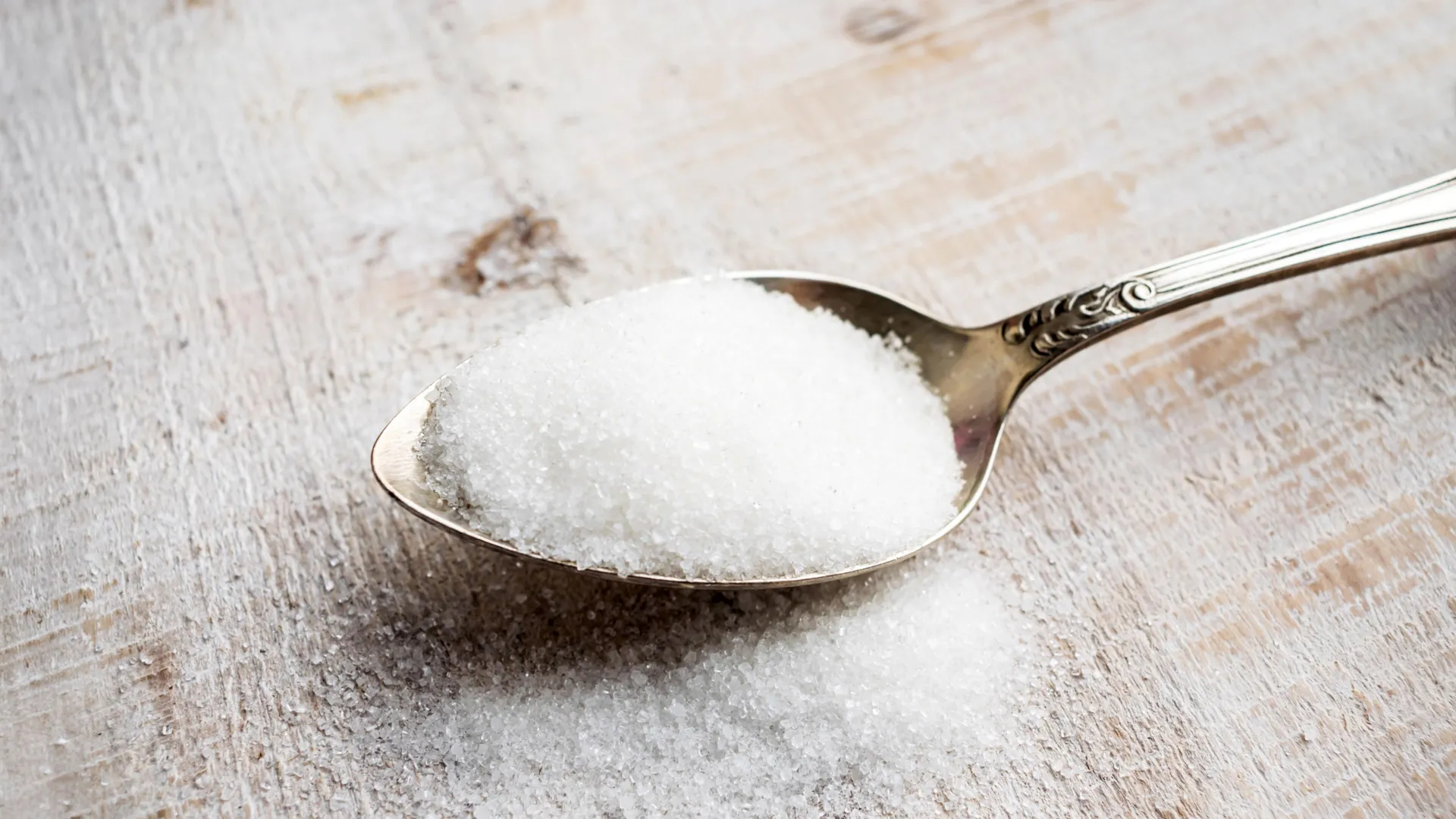
A large Brazilian study of nearly 13,000 adults found higher intake of several artificial sweeteners linked to faster cognitive decline—about 1.6 extra years of brain aging—especially under age 60 or with diabetes. Researchers say the artificial sweeteners cognitive decline link is an association, not proof of cause.
Key Takeaways
- Adults with the highest sweetener intake saw a 62% faster drop in thinking and memory than the lowest group, equal to roughly 1.6 years of aging.
- The middle intake group declined about 35% faster, comparable to 1.3 years of aging.
- The pattern was stronger in people under 60 and in those with diabetes; it was not seen in adults over 60.
- Six sweeteners were linked to faster decline; tagatose was not. The study was observational and cannot prove causation.
Common low- and no-calorie sugar substitutes show up in diet sodas, flavored waters, energy drinks, yogurt, and desserts. A new analysis published in Neurology, the journal of the American Academy of Neurology, raises fresh questions for anyone who treats them as a risk-free swap. For more brain-and-tech health coverage, see our Future Tech & AI Wonders section.
What did researchers find about memory and thinking?
The team followed 12,772 adults in Brazil for about eight years. Participants averaged 52 years old. At the start, they reported foods and drinks from the prior year, then were sorted into three sweetener-intake groups.
The lowest group averaged 20 mg per day. The highest averaged 191 mg per day—for aspartame, about one can of diet soda. After adjusting for age, sex, high blood pressure, cardiovascular disease, and other factors, the highest group declined 62% faster in overall thinking and memory than the lowest group.
Cognitive tests covered verbal fluency, working memory, word recall, and processing speed at the start, midpoint, and end of follow-up. According to ScienceDaily report on the American Academy of Neurology materials, that gap matched about 1.6 additional years of aging.
Who faced the strongest artificial sweetener link?
Age mattered. Among adults younger than 60, the highest intake group showed faster declines in verbal fluency and overall cognition than the lowest group. Researchers did not find the same association in people older than 60.
The connection was also stronger among people with diabetes than among those without. Lead author Claudia Kimie Suemoto, MD, PhD, of the University of São Paulo, noted that people with diabetes are more likely to use artificial sweeteners as sugar substitutes.
Which sugar substitutes were tied to faster decline?
Researchers examined aspartame, saccharin, acesulfame K, erythritol, xylitol, sorbitol, and tagatose. Six—aspartame, saccharin, acesulfame K, erythritol, sorbitol, and xylitol—were associated with faster drops in overall cognition, especially memory. Tagatose was not linked to cognitive decline.
Sorbitol had the highest average individual intake, at 64 mg per day. Several of these ingredients appear in ultra-processed low-calorie products and as tabletop packets for coffee, tea, cooking, or baking.
Does this prove that sweeteners cause brain aging?
No. The study shows a relationship, not a cause. Diet data were self-reported, so people may have forgotten or misjudged intake. Not every sweetener on the market was included, so findings cannot be applied to all sugar substitutes.
Suemoto said low- and no-calorie sweeteners are often seen as healthy alternatives to sugar, yet the findings suggest certain ones may have negative effects on brain health over time. She called for more research and for checks on whether options such as applesauce, honey, maple syrup, or coconut sugar could be effective alternatives.
Until stronger evidence arrives, the takeaway is caution, not panic: higher total intake of several popular artificial sweeteners tracked with faster cognitive decline in middle-aged adults, but scientists still need studies that can test whether the sweeteners themselves drive the change.