Army tests hammer the gods system at sea for first time
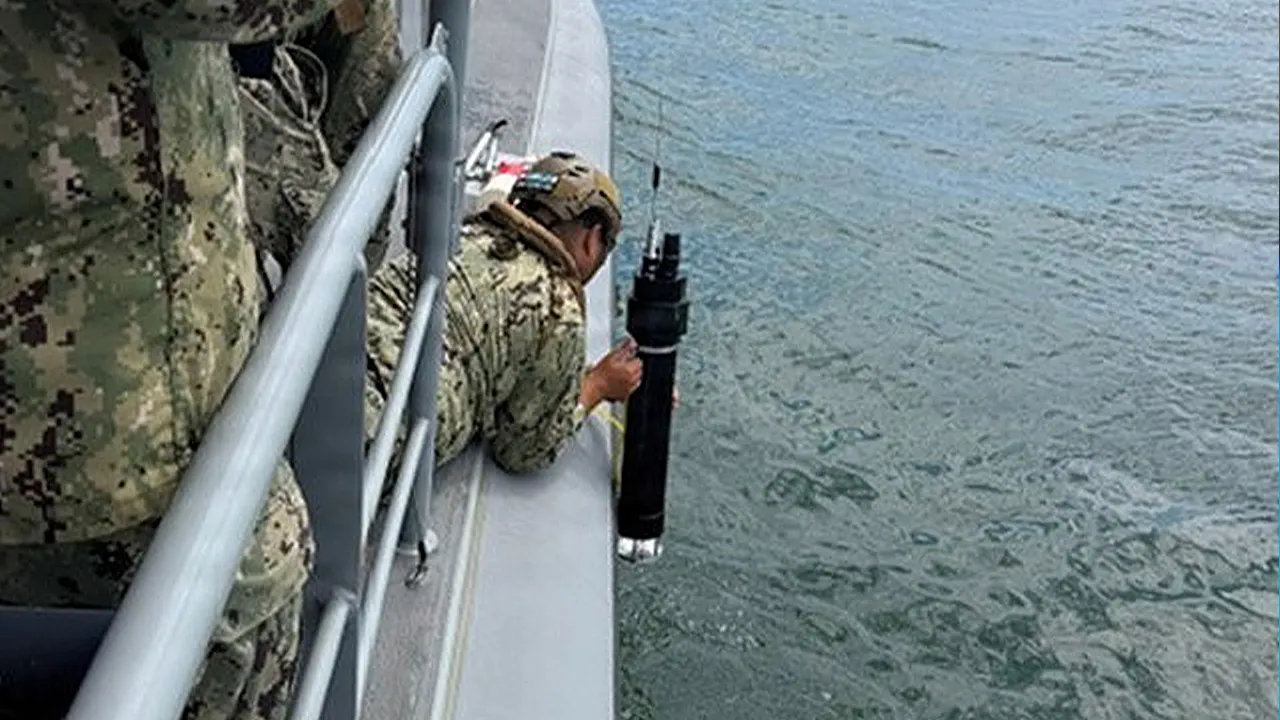
The U.S. Army has completed its first overseas test of a system nicknamed hammer the gods, a portable emitter built to scramble navigation signals that guide enemy precision weapons. The maritime trial took place at sea off the U.S. West Coast in mid-July during Project Convergence Capstone 6, marking the debut of the sea-based variant.
Key Takeaways
- The Army revealed the first at-sea test of Hammer of the Gods in mid-July 2026.
- The system jams positioning, navigation and timing signals, including GPS, used by precision weapons.
- Land versions ran for two years; the maritime variant debuted during Project Convergence Capstone 6.
- Army, Navy and Space Force units jointly ran the southern California coastal experiment.
- Officials said crews launched, operated and recovered the counter-PNT gear in real maritime conditions.
What happened in the hammer the gods sea trial?
According to Fox News, the Army said Sunday that Hammer of the Gods was put through its first overseas evaluation at sea off the U.S. West Coast in mid-July.
The run was part of Project Convergence Capstone 6, also called PC-C6. Official imagery posted on DVIDS shows a U.S. Navy sailor employing the emitter during July experimentation in southern California, with photo credit to the U.S. Space Force.
Land-based versions of the system have been demonstrated over the past two years. Army officials framed the mid-July exercise as the official debut of the maritime variant.
How does the weapon-disrupting system work?
Hammer of the Gods is described as a portable signal disruptor. Its radio emissions jam positioning, navigation and timing data, including GPS, that long-range artillery, guided missiles and cruise missiles rely on to stay on course.
When those PNT signals fail, weapon accuracy drops sharply, raising the chance of delayed missions and missed targets. Fox News reported the design is meant to scramble enemy navigation covertly while helping the emitter avoid detection.
The same package also builds a resilient communications network. Friendly military devices stay linked so troops can still shoot, move and communicate when the electromagnetic environment is contested or degraded.
Why does the first maritime test matter?
Army officials said the experiment showed the counter-PNT system could be launched, operated and recovered in real-world maritime environments, expanding the concept beyond earlier land demonstrations.
The testing brought together the U.S. Army, Navy and Space Force, along with U.S. Space Forces Pacific, Naval Base San Diego and the U.S. Army Space and Missile Defense Command. The joint goal was to integrate space, cyber and conventional capabilities in one event.
For more BlasterPost coverage across the same desk, visit our True Crime & Unsolved Mysteries category hub as public reporting on the trial continues.