'Diego, give us a hand': Falklands tensions return at World Cup
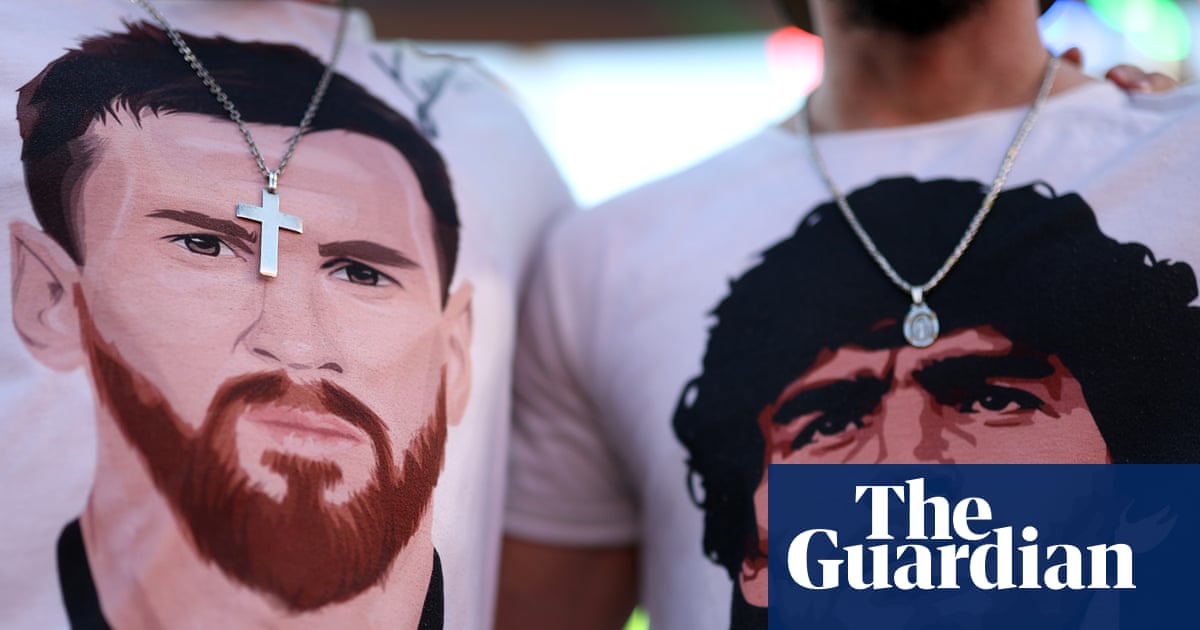
Argentina and England meet in a World Cup semi-final on Wednesday where Falklands-era grievances, Diego Maradona's 1986 "Hand of God," and nationalist chants have turned the fixture into far more than football. Authorities have designated it the tournament's highest-risk match as fans and media invoke history on both sides.
Key Takeaways
- Argentina players and fans chant "For Malvinas, for Diego" as the semi-final revives 1982 war memories and 1986 World Cup lore.
- The FBI and Atlanta police call England v Argentina the World Cup's highest-risk clash, deploying about 1,600 officers and separate fan gates.
- Argentine media use slogans such as "Diego, give us a hand" while footage showed fans burning a Union Jack near Buenos Aires.
- Political tensions include Javier Milei's praise for Margaret Thatcher and Argentina's foreign minister calling Falkland Islanders "artificially implanted."
- Players including Leandro Paredes insist the semi-final must be treated as a football match, not a political battle.
Why does the Falklands history still fuel this rivalry?
Almost four decades after Maradona's "Hand of God" goal and solo strike beat England in Mexico City, Wednesday's semi-final is again framed as more than sport. The 1986 quarter-final followed the 1982 Falklands War, and Aldo Leiva, a Falklands veteran and congressman, told The Guardian that many Argentines saw that victory as vindication after Britain sank the cruiser General Belgrano, killing 323 crew.
After Argentina beat Switzerland 3-1, Lionel Messi and teammates sang "The Fourth Star," chanting "For Malvinas, for Diego." Musician Pablo "Palmito" Quintana, who wrote the song, said he included Malvinas because "behind the Argentina team, there are people who still carry pain." Daniel Filmus, Argentina's former Falklands secretary, said the islands claim is embedded in national identity and appears in football anthems.
Uruguayan commentator Víctor Hugo Morales, whose 1986 broadcast became Argentine folklore, said the Malvinas war was "in everyone's hearts" even as Maradona insisted it was just football. As we track how geopolitics intersects with global events, see more coverage in our Future Tech & AI Wonders section.
What are Argentina fans and media saying before kick-off?
Argentine television channel Crónica previewed the match with captions including "Argentina vs. the English 'pirates'," "Messi, with an M for Malvinas," and "Diego, give us a hand." Sports daily Olé noted Argentina will wear blue, as in 1986. Club Godoy Cruz hung banners supporters had taken from England fans during the 2014 World Cup, widely read as a provocation.
The Telegraph reported that Argentines routinely call the English "pirates" or "thieves," while popular chants reference stealing from the thieves "like Diego did." For many England supporters, the grudge is sporting: fans in Atlanta told reporters they want "revenge for the Hand of God," with some dismissing politics as "rubbish."
How are authorities preparing for the 'highest-risk' World Cup clash?
Police are strengthening security across Atlanta after the FBI deemed England's semi-final against Argentina the tournament's most high-risk fixture, citing deep historical animosity. For the first time at this World Cup, separate gates will serve each nation's supporters at Mercedes-Benz Stadium.
Argentina's security minister, Alejandra Monteoliva, said about 1,600 officers would be deployed and fans cannot bring flags or posters with provocative political messages into the stadium. Footage showed Argentina supporters burning a Union Jack in Escobar, near Buenos Aires. England manager Thomas Tuchel said his side were ready to face a team "fuelled by history."
Can England and Argentina keep politics off the pitch?
Midfielder Leandro Paredes told Argentine media: "We know what the game against England means for our country, but it's a game of football." Sir Keir Starmer's spokesperson said football "should be about the game and about bringing people together" amid renewed Falklands tension, after Argentina's foreign minister Pablo Quirno called islanders an "artificially implanted" population.
Morales suggested an England defeat could also rebuke President Javier Milei, who has praised Margaret Thatcher, the British leader during the 1982 conflict. If England win, it would be their first World Cup final since 1966. Either way, both nations agree this fixture carries weight that stretches well beyond the pitch.