AOC faces backlash over Israel military merger claim
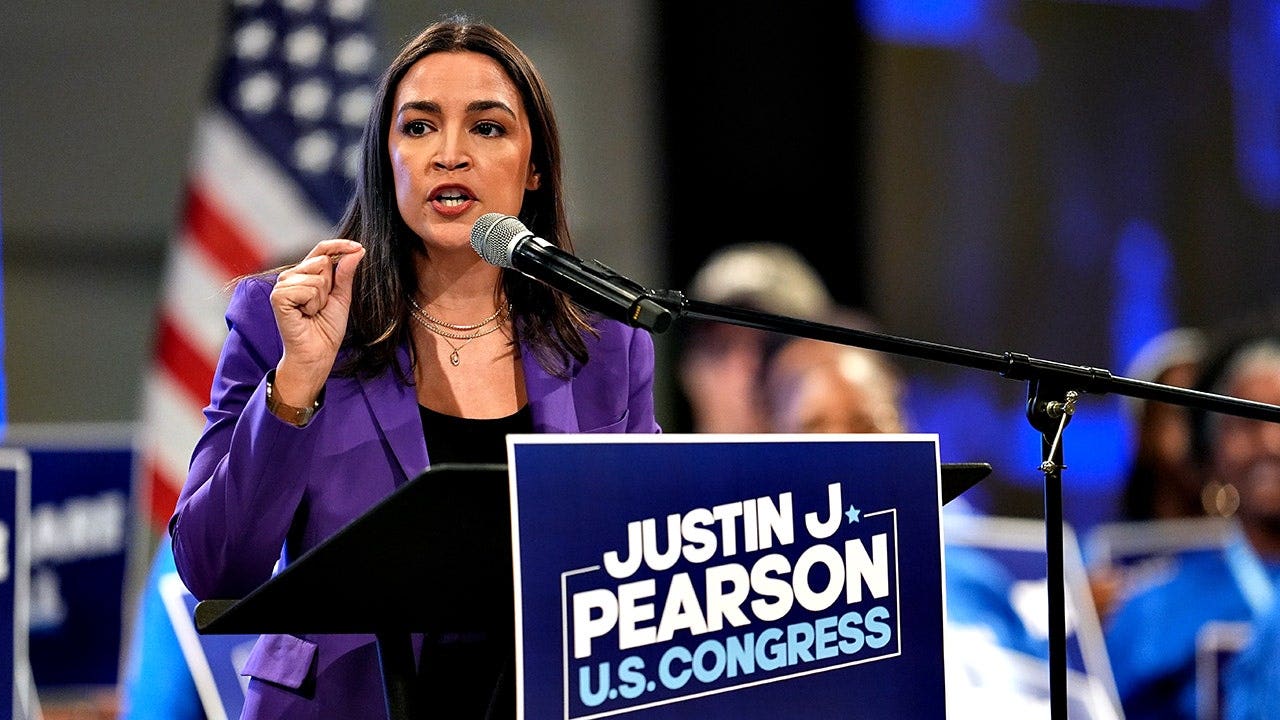
Rep. Alexandria Ocasio-Cortez drew fierce GOP criticism after claiming a House defense bill would enact an israel military merger with the IDF. Republicans say Section 219 expands tech cooperation—AI, cyber, and supply chains—not a combined force, while Lawler told her to stop stoking Jew hatred.
Key Takeaways
- AOC said the FY2027 NDAA would "merge parts of our military with the IDF" and called Section 219 an "existential threat" to U.S. sovereignty and democracy.
- Section 219 creates a U.S.-Israel Defense Technology Cooperation Initiative covering AI, cybersecurity, supply chains, and joint exercises—not a merged command.
- Rep. Mike Lawler told AOC to "stop stoking Jew hatred"; EPA chief Lee Zeldin labeled her claim "FALSE."
- A Massie-Khanna amendment to strip the provision was blocked; the House-passed bill still needs Senate action.
What did AOC say about the defense bill?
Ahead of the House vote, Rep. Alexandria Ocasio-Cortez (D-N.Y.) warned on social media that the National Defense Authorization Act "includes a provision to merge parts of our military with the IDF."
She framed the measure as an "existential threat to American sovereignty and democracy" and urged every member of Congress to vote no. Progressive allies echoed her alarm: Rep. Ilhan Omar called it an "outrageous threat" to security and autonomy, while Rep. Rashida Tlaib said the bill "deeply merges the U.S. and Israeli militaries."
Their focus was Section 219 of the House-passed FY2027 NDAA, formally the U.S.-Israel Defense Technology Cooperation Initiative.
Does the bill create an Israel military merger?
According to reporting and analysis of the text, no. Section 219 directs deeper U.S.-Israel cooperation on military technology, supply chains, research, artificial intelligence, cybersecurity, and joint exercises. It does not merge the two forces, create a combined command, or establish a NATO-style mutual defense treaty.
An NDTV analysis notes the House measure instead seeks to integrate defense innovation ecosystems—joint research, co-development, testing, and industrial collaboration—while American and Israeli forces remain under separate national command. The House version authorizes roughly $750 million for cooperative defense programs with Israel in FY2027, including funds for missile defense, counter-drone work, and emerging technologies.
Critics of AOC's wording, including Republicans and some analysts, argue "merger" overstates a partnership model the United States already uses with close allies.
Why did GOP lawmakers hit back so hard?
After the House kept Section 219 and passed its NDAA version, backlash intensified. Fox News reported that Rep. Mike Lawler (R-N.Y.) accused AOC of being "obtuse or intentionally lying," insisted "we are not merging our military with the IDF," and told her to "stop stoking Jew hatred."
EPA Administrator Lee Zeldin called the claim "FALSE" and accused her of misrepresenting the bill. Supporters say the provision expands familiar tools: intelligence sharing, joint exercises, and collaborative weapons development.
Opposition was not only partisan. Reps. Thomas Massie (R-Ky.) and Ro Khanna (D-Calif.) sought to strip Section 219, but House leadership blocked a floor vote on their amendment. Massie said he would vote against the full NDAA; Khanna called the blocked vote "unconscionable" and vowed to keep fighting in conference. The legislation still requires Senate passage and reconciliation before it can become law.