Andy Burnham's policies: what we know after Kier Starmer
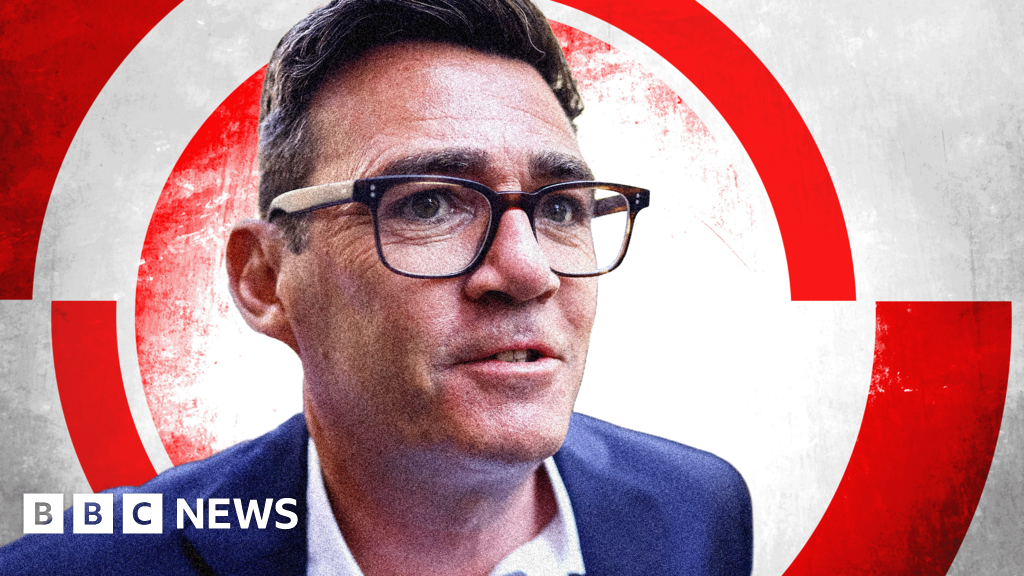
Andy Burnham is set to become the UK's next prime minister after Labour MPs nominated him to replace Kier Starmer. His early agenda centres on regional devolution, a major council housebuilding push, and greater public control of water and energy, while he says he will keep current debt rules and Labour's main tax-rate pledges.
Burnham returns to national power weeks after winning the Makerfield by-election, ending his decade as Greater Manchester mayor. For more viral political updates, see our Celebrity Breaking News coverage. According to the BBC, most Labour MPs have already lined up behind him.
Key Takeaways
- Burnham pledges the biggest rebalancing of power from Whitehall to English regions, with a new No 10 unit based in Manchester.
- He wants greater public control of water and energy, and has backed direct public ownership of Thames Water.
- He promises a major council housebuilding drive and to stick to existing debt and spending rules.
- He says he will not raise the main rates of income tax, VAT or National Insurance, while reviewing other tax options.
- Net migration "needs to fall further," and he would keep the state pension triple lock.
Why does Kier Starmer's exit put Burnham in Downing Street?
Kier Starmer resigned in June after mounting dissatisfaction over the economy and immigration progress, vowing an orderly transition. Britons do not directly elect the prime minister; the leader of the Commons majority typically takes the role.
Burnham cleared the path by winning Makerfield and securing Labour nominations. CBS News notes he will be the seventh person to inhabit No 10 in a decade if he enters next week as planned.
What are Andy Burnham's biggest policy pledges so far?
On devolution, Burnham promises English regions more say over housing and transport, aiming for "equivalent living conditions" across Britain. He also floated deeper powers for Scotland, Wales and Northern Ireland.
On utilities, he wants greater public control of water and energy, possibly via franchise-style models like Greater Manchester's buses. He stresses that does not necessarily mean full nationalisation of all utility firms, though Thames Water is an exception he has backed for public ownership.
On housing, he pledges the biggest council house programme "since the post-War period" and wants England's £39bn affordable housing budget steered toward social rent. Funding details remain thin, and he has also called for higher-density town development to protect green space.
Where could Burnham clash with Starmer-era choices?
Burnham has said he would stick to Labour's manifesto pledge not to raise main income tax, VAT or National Insurance rates, while arguing there is "some room" elsewhere. He has floated reviewing the £12,570 income tax threshold and has not ruled out asking for "a little more" tax, including past talk of wealth and land-value ideas.
On immigration, he says net migration needs to fall further without naming a target, and he supports the "broad thrust" of tougher settlement plans while earlier urging caution. On welfare, he wants a "fair and lasting" cut to the bill via jobs and mental-health support, not spelled-out benefit cuts, and would keep the pension triple lock.
Abroad, he wants a closer EU relationship and says he would like the UK to rejoin within his lifetime, but not to re-run the 2016 referendum now. He inherits defence spending plans left partly for him to flesh out, and says Britain should seek a good US relationship while being willing to disagree.
Many pledges still lack costed detail. That gap will matter as Burnham moves from by-election campaigner to prime minister without a fresh general-election mandate.