Laptop fire on American Airlines flight injures passengers
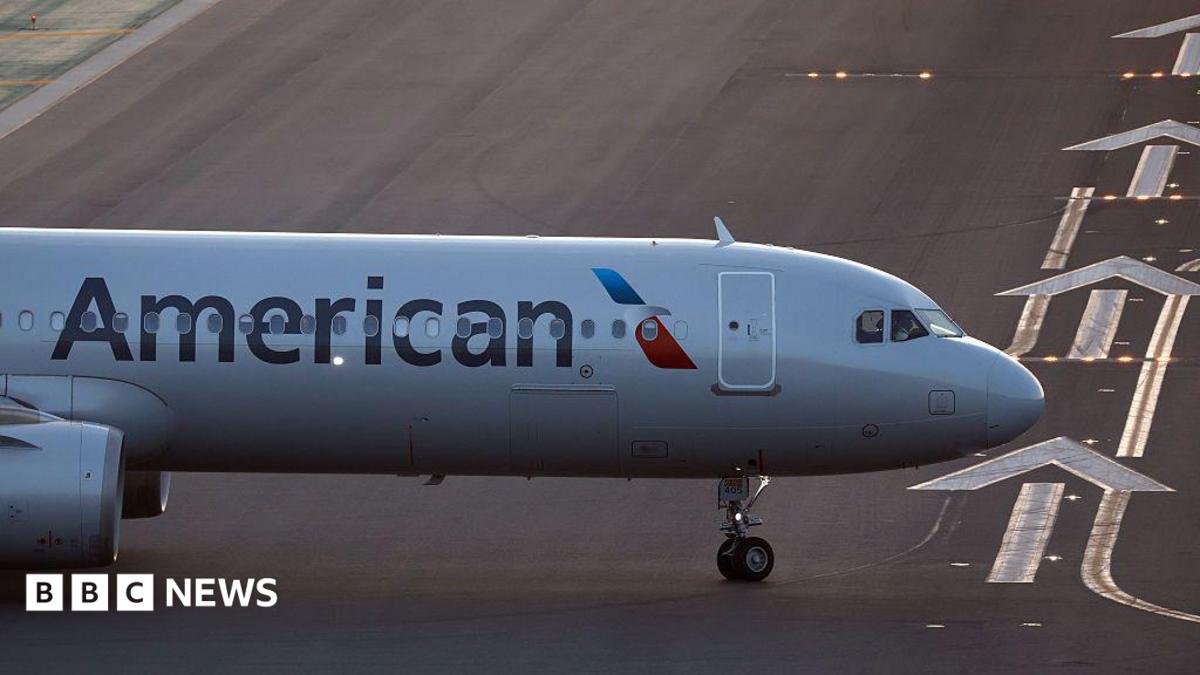
A passenger's laptop caught fire aboard American Airlines Flight 2398 on Friday, August 22, 2026, filling the cabin with smoke roughly 30 minutes before landing at Dallas Fort Worth International Airport. Flight attendants contained the device in a thermal bag within about five minutes. The pilot told air traffic control that four to five passengers may have been burned; one passenger received on-site medical treatment and was released.
The incident highlights growing risks from lithium batteries in carry-on electronics—a concern that matters for anyone who travels with laptops, power banks, or other rechargeable gear worth protecting. For travelers who treat devices as essential work assets, the episode is a sharp reminder that battery safety is part of protecting your investment.
Key Takeaways
- American Airlines Flight 2398, an Airbus A321 with 133 people aboard, landed safely at Dallas Fort Worth after a passenger's laptop caught fire mid-flight.
- Flight attendants used a thermal containment bag to seal the burning laptop within roughly five minutes; the FAA is investigating.
- The pilot reported four to five passengers may have been burned; one passenger was treated at the airport and released.
- Lithium battery incidents on US flights are rising—the FAA has recorded dozens of verified smoke, fire, or overheating events so far in 2026.
- Regulators require lithium batteries in carry-on baggage only; damaged, overheated, or improperly packed batteries pose the highest risk.
What happened on American Airlines Flight 2398?
American Airlines Flight 2398 departed Atlanta, Georgia, bound for Dallas Fort Worth International Airport in Texas on Friday evening. According to air traffic control audio obtained by CBS News, the pilot reported a "cabin fire in the back of the airplane" and said flight attendants were working to extinguish it.
Passenger Jessica Irgens told CBS News the fire started when another passenger's laptop began smoking and then ignited, sending heavy smoke through the cabin. Irgens, seated two rows away, said she moved toward the back of the plane because of the smoke. The laptop's owner placed the burning device in the aisle, and one or two passengers who tried to help burned their hands, she said.
The flight landed safely around 6:55 p.m. local time. After touchdown, the aircraft taxied to the gate, and emergency personnel met the plane per standard procedure. American Airlines confirmed the flight landed "after reports of smoke from a customer's device during landing" and credited the crew for a swift response.
How many passengers were injured by the laptop fire?
In radio communications with air traffic control, the pilot said: "I think we have about four to five passengers that were burned by the laptop. The laptop is contained about mid-aircraft." Dallas Fort Worth International Airport stated that one passenger received medical treatment on site and was subsequently released.
The difference between the pilot's estimate and the single confirmed treatment may reflect varying injury severity. Irgens described hand burns among passengers who attempted to move or handle the device. Full details on all injuries have not been independently verified, and the Federal Aviation Administration (FAA) has opened an investigation into the incident.
American Airlines did not immediately provide a detailed passenger injury count beyond confirming the safe landing and crew response. Further findings may emerge as the FAA review proceeds.
Why do laptop batteries catch fire on planes?
Lithium-ion batteries power most modern laptops, phones, and portable chargers. The FAA warns these batteries can overheat and enter a process called thermal runaway, in which heat spreads rapidly through the cell. According to the agency, thermal runaway can occur without warning if a battery is damaged, overheated, exposed to water, overcharged, or improperly packed.
Because aircraft cabins are enclosed and evacuation at altitude is limited, even a small device fire can escalate quickly. That is why airlines equip crews with thermal containment bags designed to isolate overheating electronics. On Flight 2398, attendants sealed the laptop in such a bag within about five minutes—a protocol that likely prevented a far worse outcome.
The BBC reported that the FAA has recorded 58 verified lithium battery air incidents involving smoke, fire, or extreme heat so far in 2026. Over the past 20 years, battery packs and laptops have accounted for a significant share of those events. CBS News cited a similar figure of at least 56 incidents this year.
What should travelers do to protect devices and themselves?
For frequent flyers who rely on laptops for remote work or side income, a destroyed or confiscated device is both a safety hazard and a financial setback. Treating battery safety as part of your travel routine—much like insuring valuable gear—is a practical wealth-protection step covered in our Wealth Hacks & Passive Income hub.
US regulators require lithium batteries to be carried in carry-on baggage, not checked luggage, so crew can respond if a device overheats. Avoid charging power banks inside checked bags; in May, a UK-bound EasyJet flight from Egypt diverted to Rome after a power bank was found charging in hold luggage, as the BBC noted.
Before flying, inspect devices for swelling, cracks, or damage. Unplug chargers when not in use, and keep spare batteries in original packaging or protective cases. If a device feels unusually hot or begins smoking, notify crew immediately rather than attempting to handle it yourself—a lesson underscored by the hand injuries reported on Flight 2398.
Are lithium battery fires becoming more common on flights?
Aviation authorities on both sides of the Atlantic have flagged rising incidents tied to portable electronics. The UK's Civil Aviation Authority has warned that power banks are causing a growing number of serious in-flight issues worldwide, urging passengers to understand the overheating risks.
In February 2026, an Alaska Airlines flight bound for Wichita, Kansas, returned to Seattle after a passenger's power bank overheated and caught fire, CBS News reported. Combined with the American Airlines episode, the pattern suggests travelers are carrying more rechargeable devices than ever—and airlines are responding with stronger containment protocols.
The FAA continues to track and publish lithium battery incident data. Until battery technology or packing standards improve materially, passengers should assume that any lithium-powered device in the cabin carries some residual risk, and plan accordingly.