Ally McCoist to avoid 'horrendous' Glasgow city centre
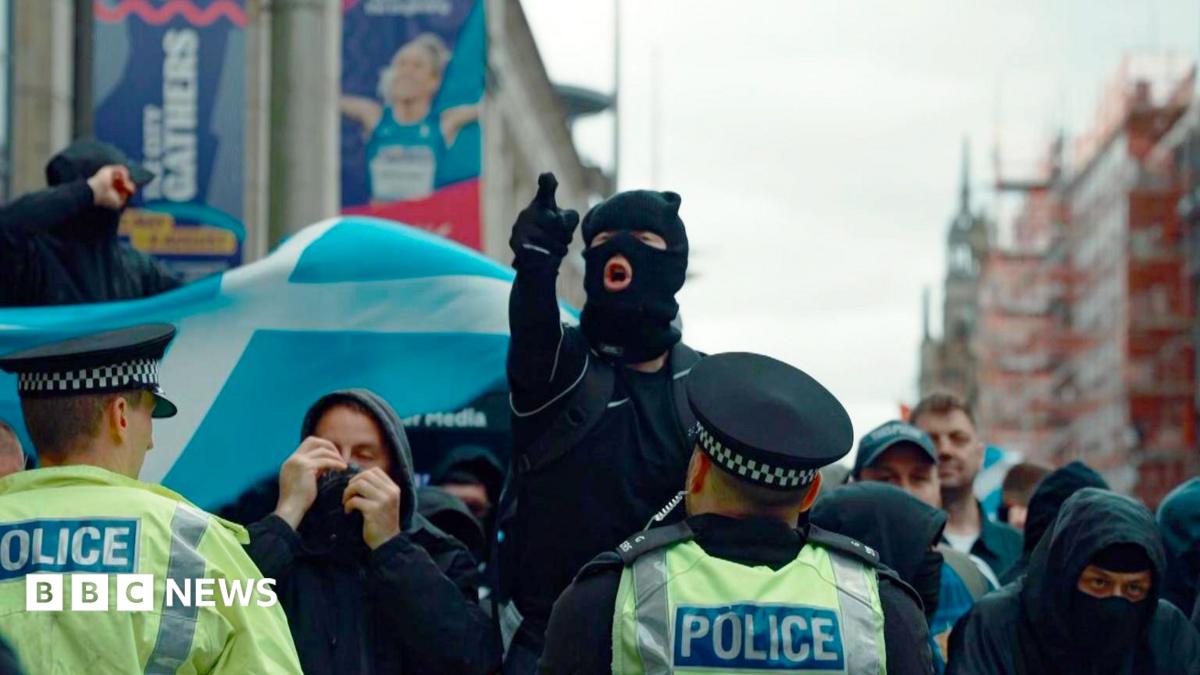
Ally McCoist says he will stay away from Glasgow’s “horrendous” city centre after a BBC Disclosure film captured open drug dealing, violence and racist abuse near Central Station. The former Rangers star told talkSport he is appalled by the scenes, as debate grows over crime, policing and the city’s reputation.
Key Takeaways
- Ally McCoist told talkSport he will avoid Glasgow city centre, calling it “horrendous” after the BBC film.
- BBC Disclosure filmed drugs, thefts, arrests and racial abuse during a week in June near Central Station.
- Police have issued more than 1,500 dispersal notices since March around St Enoch Square, yet problems persist.
- Critics say the documentary risks dragging back Glasgow’s violent reputation without enough wider context.
What did Ally McCoist say about Glasgow?
According to The Times, the former Rangers star told talkSport he is appalled by the state of the city and will stay away from its “horrendous” centre. His remarks followed the BBC Disclosure documentary Welcome to Glasgow, which showed gangs dealing drugs, reports of sex attacks and street violence.
The comments have pushed the film into a wider UK conversation about urban disorder, including coverage across true crime and unsolved mysteries reporting.
What did the BBC film capture on the streets?
For a week in June, reporters Myles Bonnar and Rachel Coburn filmed in Glasgow city centre. The BBC said it captured people openly dealing and taking drugs, thefts, arrests, and a brawl in which young men threw traffic cones at a man with a dog. The crew were also verbally abused and threatened near a shopping centre.
A taxi driver who regularly works the area likened some nights to a “zombie apocalypse.” Convenience store manager Faisal Umar said he faced racist abuse at least 20 times a day and that his Union Street shop was under constant attack from drug addicts. Across the road, a hotel houses homeless people; Umar said dealers use underage children to sell drugs and that police often feel powerless when sellers are minors.
Freedom of information figures cited by the BBC showed almost 2,800 crimes on Union Street since 2023, and more than 400 violent assaults last year in the main streets and square at the heart of a police “dispersal zone.” Officers gained special powers in March to temporarily ban people from the hotspot around St Enoch Square and the Four Corners. More than 1,500 notices have been issued, but the problems continue. PC Steven Gemmell described child exploitation in drug-running, with young dealers swallowing wraps to avoid possession charges.
Is Glasgow really becoming a “no-go zone”?
Social media posts claim parts of the centre are unsafe, especially for women. During filming, far-right protests and a larger anti-racism rally produced clashes with police. Chief Inspector Stephen McManus said Glasgow is usually tolerant but that “a level of intolerance” is creeping into protest. Scottish government figures cited by the BBC showed an 11% rise in reported rapes, attempted rapes and sexual assaults across Glasgow over five years. Where ethnicity was recorded in rape reports, most suspects were white.
In The National, Lesley Riddoch argued the documentary has dragged back Glasgow’s violent reputation. She quoted Will Linden of the Glasgow Violence Reduction Unit as rejecting the “no-go zone” label and saying the film’s picture of constant violence was “not anchored in the evidence.” A Glasgow City Council spokesman said antisocial behaviour is first a police matter and pointed to extra CCTV investment meant to keep the centre welcoming.