Aliens Fireteam Elite 2 review: better co-op, mixed score
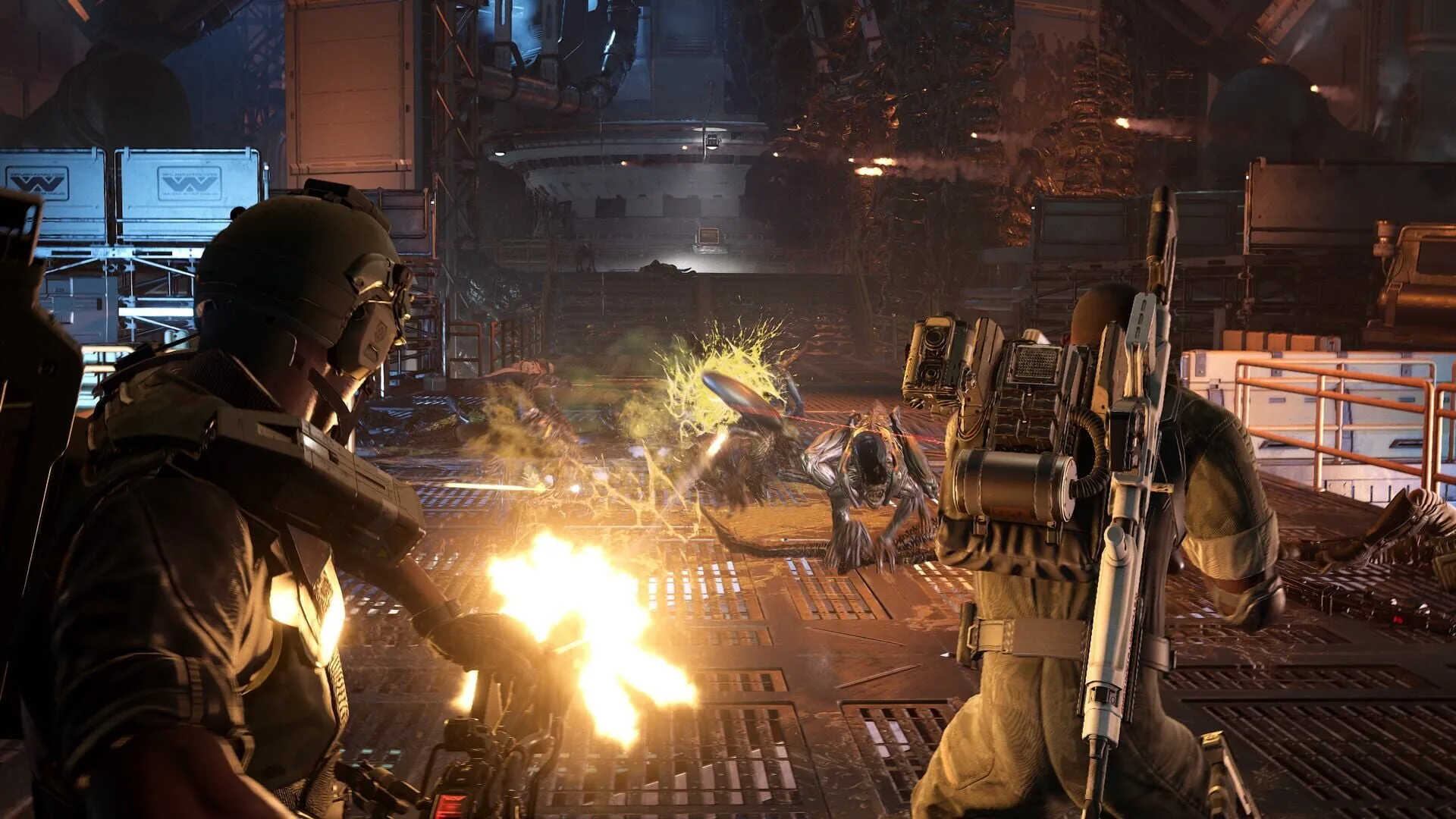
Aliens: Fireteam Elite 2 is a real co-op sequel that rebuilds classes, expands to four players, and scores a mixed 6/10 overall. Aliens fireteam elite fans get stronger squad play on August 26, 2026, for $49.99—if your fireteam shows up.
Cold Iron Studios’ follow-up to the 2021 third-person shooter answers the loudest complaints about the original while keeping the swarm-shooter loop that divides Alien purists. Enad Global 7 set a quiet August 26, 2026 launch across PlayStation 5, Xbox Series X|S, and PC via Steam and Epic, with Nintendo Switch 2 work aimed for later in the fall.
Key Takeaways
- InsertCoins.press rates Aliens: Fireteam Elite 2 a mixed 6/10: better systems, contested Alien tone.
- Squads grow from three to four; day-one full crossplay is in, and Horde runs in short five-wave rounds.
- Six rebuilt classes drop weapon locks; the late-unlock Specialist mixes abilities from the rest.
- Campaign spans fifteen missions across six arcs; base price is $49.99, Premium $69.99 mostly for cosmetics.
- Solo bot play remains a weak spot—four players means more AI to babysit if friends are offline.
Is Aliens: Fireteam Elite 2 worth it for a four-player squad?
For a tight group that already likes Left 4 Dead–style or Helldivers-leaning co-op, the answer is largely yes. Moving from three marines to four ends the old compromise of leaving healing, crowd control, or damage on the bench. Coverage can finally be complete, which lets the studio push faster flanking enemies and make coordination a requirement rather than a nice-to-have.
That shift matters more than the marketing slogan. InsertCoins notes enemies are quicker and more cunning, so synchronized play is the point of the design. Techgenyz frames the same change as fixing the original’s social fail: one friend always stuck outside the lobby.
If you are shopping for entertainment value rather than a lore pilgrimage, the standard edition at $49.99 is the clearer buy. The $69.99 40th Anniversary Premium and the $9.99 Alien: Romulus cosmetic pack lean hard on nostalgia skins. For more spend-smart angles on leisure budgets, see our Wealth Hacks & Passive Income hub.
What changed from the first aliens fireteam elite game?
The 2021 release was a three-player cover shooter with five locked classes, twelve missions, and a Horde mode bolted on. Reviewers flagged lazy corridor-to-arena levels, a scripted bestiary, and disastrous ally AI that charged into death.
The sequel rebuilds rather than merely rebalances. Hybrid loadouts replace per-class weapon locks. The Marauder inherits the heavy Demolisher role with a Blast Cannon and Titan Rockets. The Duelist replaces the Gunner with two primary slots and mid-mission swaps. The Machinist turns the old Technician into an offensive turret-and-drone fighter. The Hunter leans on control and weak points. The Medic keeps the squad advancing with stims and an upgradable trauma station instead of healing only after the fight.
The Specialist is the real new piece: unlocked late, it mixes abilities, weapons, and perks you have already earned on the other classes. It is an end-of-road buildcraft reward, not a shortcut.
Story-wise, the campaign sits in 2207—five years after the first game—and follows the USS Endeavor toward LV-558 and Weyland-Yutani’s Storr Boon’s colony after a distress call from Dr Pearce. Fireteam Banshee went missing; the opening stretch is a rescue for Ko. Fifteen missions span six arcs across four environments, with a queen and Space Jockey–linked stretches that briefly reconnect to franchise mystery.
Horde mode is promoted to a pillar with dedicated maps. Rounds of five waves last roughly twelve to fifteen minutes, with deeper runs paying better and a real cash-out choice instead of one long ten-wave grind. Challenge cards return with more depth. Stun batons finally answer melee pressure, while pyro and electric ammo help thin swarms before they overrun a corridor.
The bestiary no longer only appears on story cues. Techgenyz highlights crushers, spitters, exploders, Weyland-Yutani synthetics, and meaner pathogen variants—pressure that, per InsertCoins, punishes camping a single hallway.
Does the sequel honor Alien—or just the swarm fantasy?
Here is where the 6/10 verdict splits. On measurable co-op systems—classes, four-player coverage, Horde pacing, mobility-forcing enemies—InsertCoins calls it a genuine sequel, not a full-price patch. Technically it looks clean: weighty guns, careful animation, damp-metal corridors.
What drags the score is tone. The review argues Alien’s power comes from scarcity and near-impossibility of a clean kill; dumping xenomorphs in batches of thirty turns a strategic accident into vermin. Aliens (1986) already opened the swarm door, but Cameron used one swarm tipping point and showed marines losing fast. Here, the swarm is the loop.
So the top question—“is it good?”—depends which “Alien” you want. Want a solid four-player shooter that improves almost every system from the first aliens fireteam elite? It does that job. Want the franchise’s lonely, industrial dread? The improvements will not settle that unease.
Who should skip Aliens: Fireteam Elite 2?
Solo players expecting reliable bots should wait for community proof. The first game’s AI charged in; four players means more bots to revive if you queue alone. Techgenyz’s hard-pass list matches that: random mute lobbies strip the tactical fun quickly.
Also pause if post-campaign content is your worry. Fifteen missions sound generous, but early community chatter already hopes expansions add missions rather than outfits. The first announced pack, about ten euros, is cosmetics—including Ripley and Alien: Romulus characters.
For the full mixed verdict and class deep dive, read the primary Aliens: Fireteam Elite 2 review on InsertCoins.press. If your squad of four is ready on launch day, this is the stronger Fireteam outing. If you play alone or demand pure Alien horror, the sequel’s strengths will not rewrite that mismatch.