AI has not triggered DeFi hackpocalypse, Dragonfly partner says
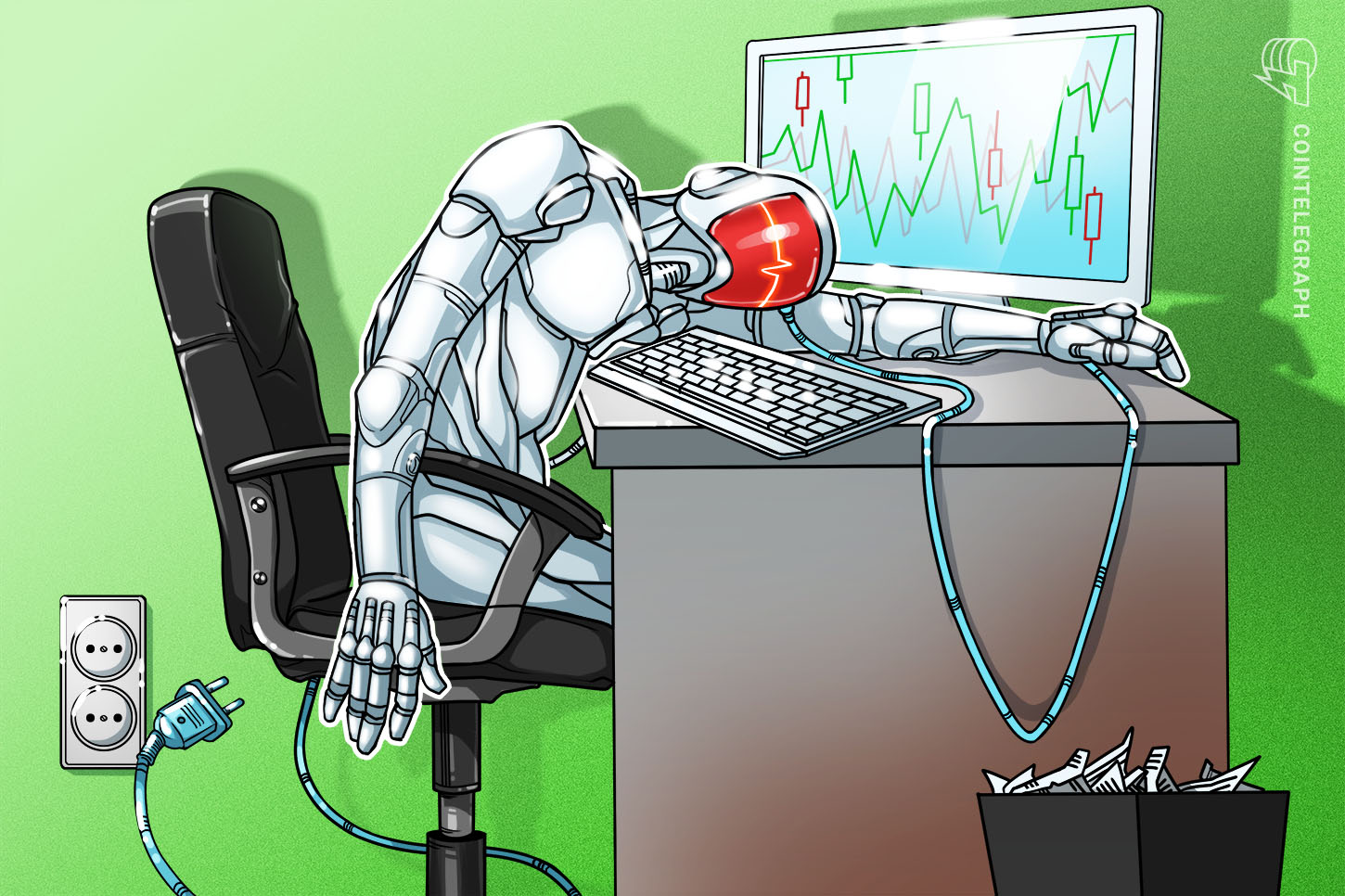
Artificial intelligence has not triggered DeFi's feared "hackpocalypse," according to a managing partner at venture firm Dragonfly. Total value stolen and median hack size are both declining compared to 2025, signalling that AI-powered attacks have not overwhelmed decentralised finance at scale — at least not yet.
The warning spread quickly through crypto circles in recent months: smarter AI tools would help attackers scan smart contracts, automate exploits, and drain protocols faster than defenders could respond. Dragonfly's managing partner is now pushing back on that narrative with on-chain loss data from 2026.
Key Takeaways
- Dragonfly's managing partner says the feared DeFi "hackpocalypse" driven by AI has not materialised.
- Total value stolen from DeFi hacks is declining compared to 2025 levels.
- Median hack size is also shrinking, suggesting smaller individual breaches rather than mega-exploits.
- Fears of an AI-fuelled security collapse appear to have been a false alarm so far in 2026.
- Investors should still treat DeFi security as an active risk, even as headline loss figures improve.
What did Dragonfly's partner say about DeFi hacks?
Speaking to concerns that artificial intelligence would supercharge on-chain theft, the Dragonfly managing partner argued that the so-called hackpocalypse was a false alarm. The assessment rests on two measurable trends: less total value stolen and smaller median hack sizes relative to 2025.
That framing matters because Dragonfly is a major crypto venture investor with a front-row view of protocol security, fundraising, and market sentiment. When a firm at that level says losses are trending down, it carries weight beyond a single protocol's incident report.
Why are declining losses significant for DeFi?
DeFi runs on public blockchains where a single exploit can wipe out user funds in minutes. Bear markets often amplify security anxiety, and AI added a new layer of dread heading into 2026.
Declining total stolen value suggests the sector is not bleeding capital at the pace many expected. A falling median hack size points to less damage per incident — a pattern that can calm depositors even when individual attacks still make news.
For a market still rebuilding trust after years of high-profile breaches, improving aggregate numbers are a credibility signal. They do not eliminate risk, but they challenge the idea that AI alone has opened the floodgates.
Has AI actually made DeFi hacking worse in 2026?
Based on Dragonfly's partner's reading of the data, the answer is no — at least not in the catastrophic way many predicted. The AI hacking apocalypse narrative assumed tools would quickly outpace human auditors and protocol teams.
So far, that worst-case scenario has not shown up in the headline figures for 2026. Losses remain below 2025 on both total and median measures, which undercuts the idea that AI has already triggered a DeFi security collapse.
Security teams should still plan for AI-assisted reconnaissance and social engineering. The partner's point is about scale and outcomes today, not a permanent all-clear.
What should crypto investors watch next?
Improving hack metrics are encouraging, but DeFi remains experimental infrastructure. One large breach can reset sentiment overnight, regardless of year-to-date averages.
Follow our Fintech & Crypto Alerts coverage for breaking security news, and compare on-chain loss trends against individual protocol disclosures before moving capital.
For the original reporting, see CoinTelegraph's interview with Dragonfly's managing partner.