600mile road trip and data show EV charging improved
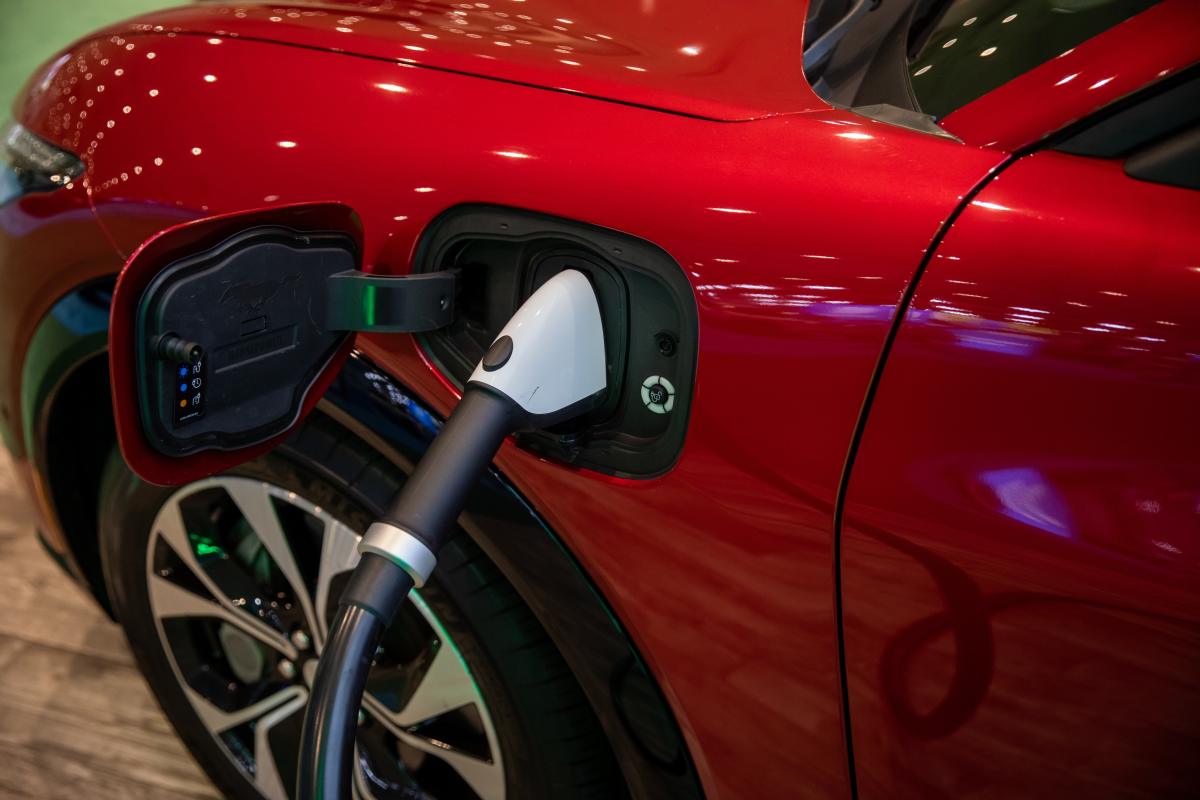
A recent 600mile road trip and U.S. charging data prove DC fast charging is faster and far more reliable than it was a few years ago. Sessions lasted about 20 minutes, reliability hit the mid-90s, and DC fast chargers have more than doubled since 2023. That shift matters for buyers still on the fence, a theme we track in Future Tech & AI Wonders.
Key Takeaways
- A summer drive of more than 600 miles delivered a near-flawless DC fast-charging experience.
- U.S. DC fast chargers have more than doubled since July 2023, when about 32,000 were online.
- Paren’s reliability index rose nearly 10 points since last year, from 85 to the mid-90s.
- Most of Tesla’s network is now open to other EV drivers, expanding access nationwide.
- Gaps and broken stalls remain, but new installs and repairs are moving faster.
What happened on the 600-mile EV road trip?
TechCrunch senior climate reporter Tim De Chant drove an Audi e-tron—about 220 miles of range—to Montreal on a trip covering more than 600 miles. A planned Kia EV9 was in the shop with a broken air conditioner.
Per TechCrunch’s account, the first stop was a Rivian site near Lebanon, New Hampshire: no lines, food nearby, and six working 300-kilowatt chargers delivering more than 140 kW. Three sessions ran about 20 minutes each beside lunch or rest stops, with no waiting on the car.
The only hitch was a Circuit Électrique station outside Montreal, where the card reader failed and forced a 20 Canadian dollar app top-up. After that, charging was smooth, and a hotel charger worked perfectly during the stay.
How bad was EV fast charging just a few years ago?
In 2023, De Chant’s shorter Maine round trip of about 350 miles in the same e-tron was rough. One charger failed mid-session, another stall needed customer service to start, and an app falsely reported working plugs. Across about seven hours of driving, he called customer service three times.
Those headaches still shape buyer fears. AAA survey data cited in the report found just over half of prospective EV buyers named public charging infrastructure a key concern.
Does the data back up a real charging turnaround?
Yes. The Joint Office of Energy and Transportation counted about 32,000 DC fast chargers in July 2023. Expansion by Tesla and others has pushed totals to more than twice that figure, and most of Tesla’s network is now usable by non-Tesla EVs.
Paren’s reliability index improved nearly 10 points since last year—from 85 to the mid-90s—tracking successful sessions and downtime. Tesla still leads, but rival networks are growing fast, and competition is lifting the experience overall.
Charging is not perfect: network gaps and broken stalls persist. Still, more chargers arrive monthly, repairs are quicker, and a long road trip that once felt risky now looks routine.