How the 1986 World Cup nearly didn't happen after Mexico's earthquake
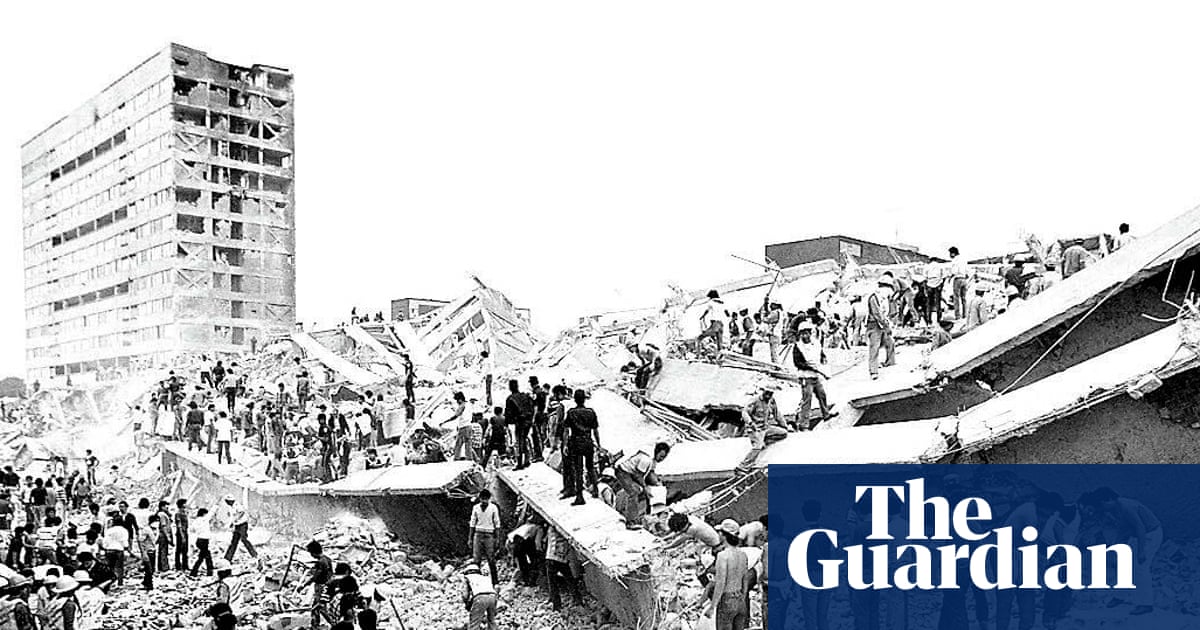
The 1986 World Cup was not cancelled, but it came close. Months before kickoff, a devastating earthquake struck Mexico City in September 1985, killing thousands and flattening much of the capital. Critics called for FIFA to move or scrap the tournament. Because all 12 planned stadiums—including Estadio Azteca—survived intact, Mexico and FIFA pressed on.
Forty years later, as Mexico hosts a record third men's World Cup in 2026, the story of how the 1986 World Cup nearly vanished is back in the spotlight. It is a case study in crisis management, national pride, and the enormous financial stakes of staging the planet's biggest sporting event.
Key Takeaways
- A September 1985 earthquake killed at least 5,000 people in Mexico City and left 30,000 homeless, prompting calls to cancel or relocate the 1986 World Cup.
- FIFA confirmed that none of the 12 designated tournament stadiums was damaged, allowing preparations to continue.
- Mexico had stepped in as host in 1983 only after Colombia withdrew for economic and security reasons.
- When the tournament opened in June 1986, public anger over earthquake recovery and high ticket prices overshadowed the ceremony at a packed Azteca Stadium.
- Estadio Azteca hosted Diego Maradona's Argentina triumph in 1986—the same venue where Pelé won for Brazil in 1970.
Why Was Mexico Hosting the 1986 World Cup in the First Place?
Colombia was originally awarded the 1986 tournament but pulled out, citing economic and security concerns. Mexico stepped in during 1983, returning as host sixteen years after staging the 1970 edition.
As The Athletic reported during the 2026 tournament, Mexico's 1970 World Cup was the ninth edition and the first held outside Europe and South America. Germany striker Gerd Muller finished as top scorer with 10 goals, while Pelé, Rivellino, and Jairzinho inspired Brazil to a 4-1 final victory over Italy at Estadio Azteca.
England reached the quarter-finals in 1970 before losing to West Germany. Mexico exited at the same stage, falling to Italy. The tournament produced 95 goals at an average of nearly three per match—an attacking spectacle that set a high bar for the return visit 16 years later.
Hosting a World Cup is never a casual expense. When a planned host nation withdraws, the replacement country inherits infrastructure deadlines, security costs, and global scrutiny on a compressed timeline—exactly the position Mexico faced after Colombia's exit.
How Bad Was the 1985 Earthquake—and Could the Tournament Survive It?
On 19 September 1985, an earthquake struck Mexico City with catastrophic force. The Guardian's archive coverage, compiled in July 2026, records at least 5,000 deaths, 30,000 people left homeless, and much of the capital flattened—though estimates of the final death toll remain disputed, with some figures reaching as high as 40,000.
Contemporary reports described the city centre looking like a war zone within three minutes of the quake, which hit at 2.18pm BST on the Thursday. About 250 buildings collapsed and another 50 were in imminent danger of falling. Hospitals and churches were among the structures destroyed or severely damaged.
A second tremor days later added little structural damage but hampered rescue efforts already stretched thin. Roughly 50,000 troops, police, and fire personnel were battling fires, disease risk, and the cries of people trapped in rubble.
With the World Cup due to begin months later, international voices demanded cancellation or relocation to a neighbouring country with ready infrastructure. For organisers, the question was whether Mexico could safely and credibly deliver a month-long event across a dozen venues.
What Did FIFA Say About Moving or Cancelling the Tournament?
Relief arrived when engineers and architects inspected the World Cup venues. FIFA announced that none of the 12 stadiums designated for the tournament had been damaged in the earthquake, including Estadio Azteca in Mexico City.
A federation spokesman said that "no immediate emergency measures regarding the World Cup preparations are called for." There was still brief speculation that matches might shift to West Germany, and FIFA scheduled a Zurich press conference on the quakes' possible effects. But the inspection results gave Mexico's government the evidence it needed to push forward.
For anyone tracking how mega-events affect national balance sheets, the message was clear. Cancelling would forfeit years of spending and global exposure; proceeding meant betting that sport could outrun tragedy—a gamble Mexico and FIFA were willing to take.
What Happened When the 1986 World Cup Finally Kicked Off?
The tournament did go ahead in 1986. The Athletic notes that Diego Maradona lifted the World Cup trophy for Argentina at Estadio Azteca—the same stadium where Pelé had won for Brazil in 1970—linking two of football's greatest players to one iconic venue.
Yet the opening ceremony exposed a fault line between official narrative and public mood. President Miguel de la Madrid was loudly booed by a crowd of 100,000 at Azteca Stadium; his speech was barely audible inside the ground. Many spectators had paid high prices—in some cases more than $50—for seats.
Crowd anger also targeted Mexico City mayor Ramón Aguirre, widely blamed for the government's slow response to earthquake damage, and World Cup organiser Guillermo Canedo, who described the event as symbolising the country's rise from the ruins. For thousands still homeless nearly a year after the quakes, those words rang hollow.
Estadio Azteca is back in the spotlight during Mexico's record third men's World Cup in 2026. That layered history is why matches at the venue carry such emotional weight for fans watching a nation stage football's biggest prize on home soil once more.
What Can Today's Hosts Learn From Mexico's 1986 Gamble?
The 1986 World Cup proves that surviving a disaster on paper is not the same as winning public trust. Stadiums may stand while neighbourhoods remain in rubble, and ticket revenue cannot buy goodwill from a middle class priced out and still waiting for housing.
For readers who follow wealth hacks and passive income strategies, the lesson is broader than football. Mexico inherited a high-cost, high-visibility project when Colombia withdrew, then faced an act-of-God crisis months before opening day. The country chose to protect sunk investment and global branding rather than walk away—an aggressive risk calculation that paid off on the pitch but left social wounds visible at kickoff.
Modern co-hosts planning hospitality businesses, rental income around match cities, or long-term tourism plays should study that trade-off carefully. A World Cup can flood a market with short-term cash and worldwide attention, but only if infrastructure, affordability, and disaster readiness align before the first whistle.
Four decades on, the 1986 World Cup is remembered as a tournament that almost never happened. The earthquake did not cancel football's greatest show—but it permanently shaped how the world judged Mexico's ability to host it.